Wood Stork Removed from Endangered Species List After 40-Year Recovery
After 40 years on the endangered list, the wood stork has been officially delisted — a landmark conservation success story.
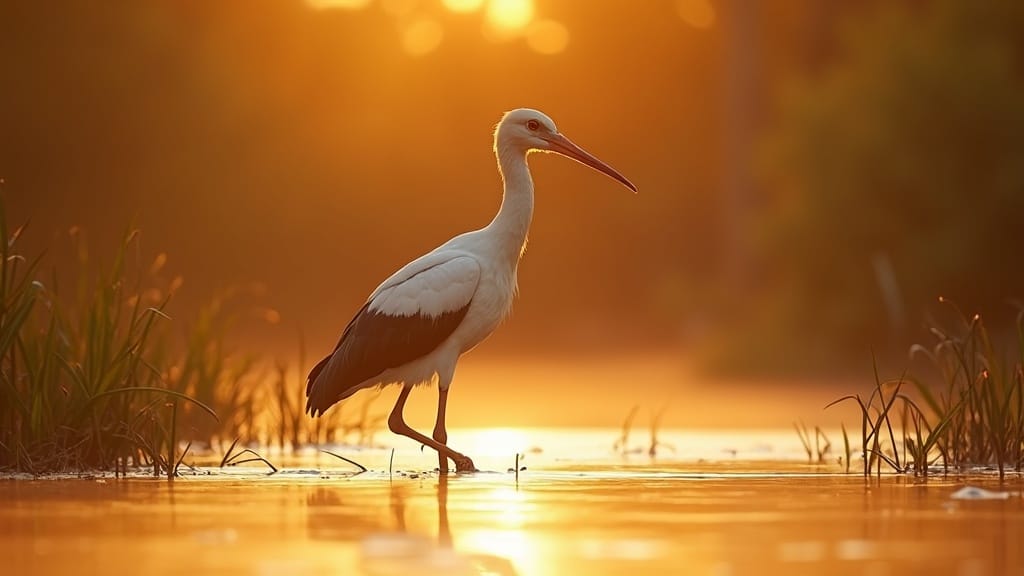
It took 40 years. But the wood stork is officially no longer endangered.
The U.S. Fish and Wildlife Service has delisted the wood stork from the Endangered Species Act, marking the culmination of one of America's most patient and persistent conservation efforts. Listed as endangered in 1984 when habitat loss in South Florida pushed the species toward extinction, the wood stork has since recovered to an estimated 10,000–14,000 nesting pairs across approximately 100 colony sites throughout the Southeast.
"The wood stork's recovery is a real conservation success thanks to a lot of hard work from our partners," said FWS Director Brian Nesvik.
Key Facts
- Listed as endangered in 1984 due to South Florida habitat loss (Popular Science)
- Now 10,000–14,000 nesting pairs across ~100 colony sites (WLRN)
- Range has expanded across much of the Southeast US
- One of 36 species delisted in this round
Why This Matters
Conservation success stories like this demonstrate that the Endangered Species Act — one of the most powerful environmental laws ever written — actually works. The wood stork's recovery required decades of habitat protection, wetland restoration, and multi-stakeholder collaboration. It's proof that when we commit to saving a species and sustain that commitment over generations, the results speak for themselves.
The story also carries a subtler lesson: conservation isn't fast. It requires the kind of sustained, unglamorous effort that rarely makes headlines. This is the headline it deserves.
What We Don't Know Yet
Delisting removes certain regulatory protections, which concerns some conservationists. Habitat threats in South Florida persist — climate change, sea-level rise, and development pressure continue to affect the wetlands the wood stork depends on. Whether the species can maintain its recovery without Endangered Species Act protections remains to be seen, and continued monitoring will be essential.
Sources: Popular Science · WLRN
Published 2026-02-20 · Category: Environment & Climate