Daily Digest Daily Digest — October 27, 2026 Kenya released the first 20 contacts of its Bundibugyo cluster after 21 days. 98 people are still inside. Oxford Street closed to buses.
Lismore The Trench Volunteers on the Scottish island of Lismore uncovered the monastery of Lios Mòr, with graves dated 650 to 1040 and more than 1,000 pieces of precious-metalworking debris. The dig was community-funded.
Angola The Teams Angola is vaccinating a target of 10.9 million children against polio, measles, and rubella from 23 to 27 October 2026. Yellow fever is limited to Luanda and Icolo e Bengo. Coverage is not in yet.
basic income The Cash A two-year cash pilot paid 211 adults in the Peruvian Amazon about two pounds a day, with no spending rules. Households unable to afford nutritious food fell from 73 percent to 26 percent. It is not a randomised trial.
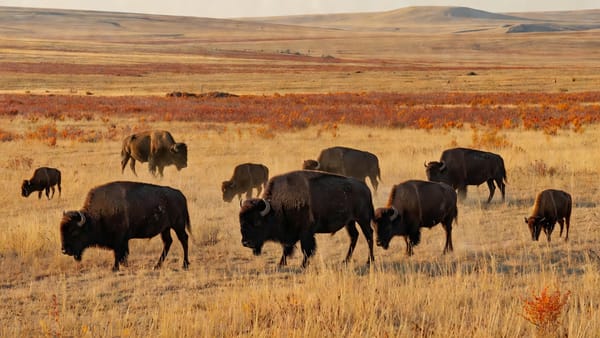
American Prairie The Count American Prairie's bison herd reached 1,016, the first time the Montana nonprofit has held a thousand. A September injunction lets them stay on three federal allotments while a grazing lawsuit continues.
Oxford Street The Buses On 26 October 2026, Oxford Street closed to traffic from Orchard Street to Great Portland Street. Regent Street still crosses at Oxford Circus. The layout is temporary until spring 2027.
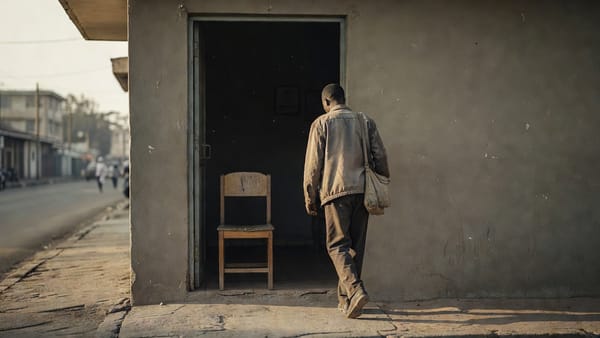
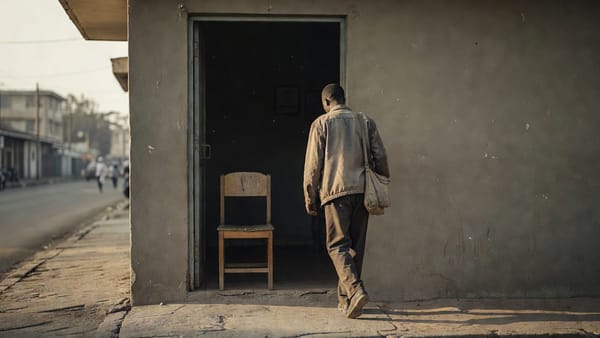
Kenya The Door Kenya released the first 20 contacts of its imported Bundibugyo Ebola cluster after 21 days without symptoms. Ninety-eight people remain in quarantine. Nine cases, two deaths, no community spread found.
Daily Digest Daily Digest — October 26, 2026 Gadis was cut out of a boar snare in Kalimantan. Her baby was still on her. A lung-cancer pill beat the pills already in clinic.
Illinois The Letter Illinois says it erased more than 1.4 billion dollars in medical debt for more than 694,000 people, with no application. The state spent under 10 million dollars. A letter is how people find out.
mitapivat The Number That Moved, and the One That Did Not In a phase 3 trial, mitapivat raised haemoglobin in 41 percent of people with sickle cell disease, versus 3 percent on placebo. The pain-crisis rate did not fall enough to be significant.
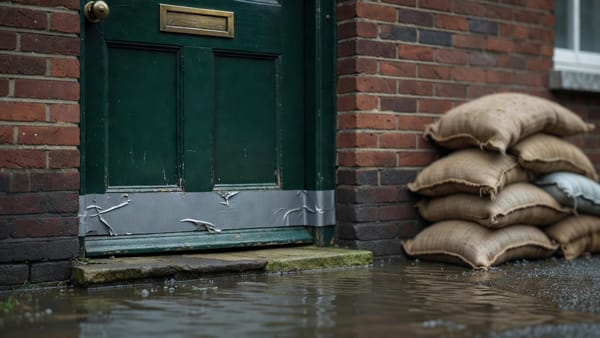
flood tape The Door University of Hull tests found synthetic rubber tape cut door leakage by 99 percent and duct tape by 97 to 98 percent. Sandbags managed 70 percent. The tests stopped at 600 millimetres.
malaria vaccine The Price on the Vial UNICEF and Gavi cut the RTS,S malaria vaccine price by about 40 percent, to 5.50 euros a dose, from 2027 if a new factory is prequalified. The saving could cover up to one million more children.
divarasib The Pill That Beat the Pills In a phase 3 trial, divarasib cut the risk of death by 44 percent versus sotorasib or adagrasib in previously treated KRAS G12C lung cancer. Median survival was 17.7 months versus 12. It is not approved yet.
Gadis The Ropes Rescuers in Central Kalimantan cut an orangutan named Gadis out of a suspected boar snare. Her baby, Garis, was still with her. Reports disagree on whether he is nine months or ten.
Daily Digest Daily Digest — October 25, 2026 Ebro Ahmed stopped a St. Paul school bus. A melanoma vaccine kept more people clear at two years. Survival is not shown yet.
Chiricahua The Standing Rocks Chiricahua National Monument became the 64th US national park on 20 October 2026. The boundary did not grow. The law does write in tribal access to cultural sites.
prime editing One Drip, No Number Yet Prime Medicine dosed the first person with an in-body prime-editing infusion for Wilson disease. No efficacy result is public. Data are expected in 2027.
Honduras The Dose That Rewired the Village A trial in 110 Honduran villages found a maternal health programme rewired friendship and money ties. At a low dose, people left out lost connections.
atolls The Islands Without Rats A study of 28 atolls found reefs building faster where rats are gone and seabirds still nest. The 5.9 millimetres a year is a model, and it does not replace emissions cuts.
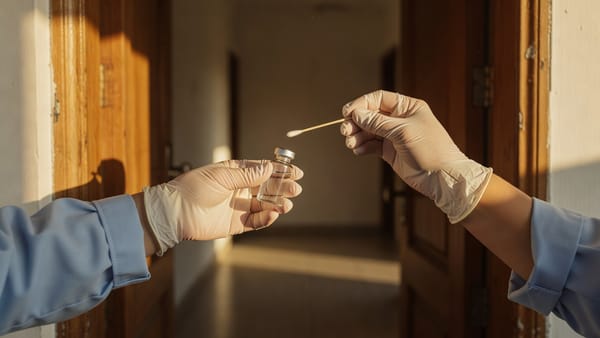
intismeran The Vial From the Tumour A personalised mRNA vaccine added to pembrolizumab cut melanoma recurrence or death by 42 percent in a phase 3 trial of 1,137 people. Overall survival is not yet shown.
Ebro Ahmed The Open Door Ebro Ahmed jumped onto a St. Paul school bus after the driver had a seizure and got it stopped. No children were hurt. Reports disagree on whether 18 or 19 were aboard.