New Zealand's Heaviest Insect Now Has Great-Grandchildren in the Wild
Captive breeding put more than 11,000 wētāpunga back into the wild. Four generations have now been born on two Hauraki Gulf islands.
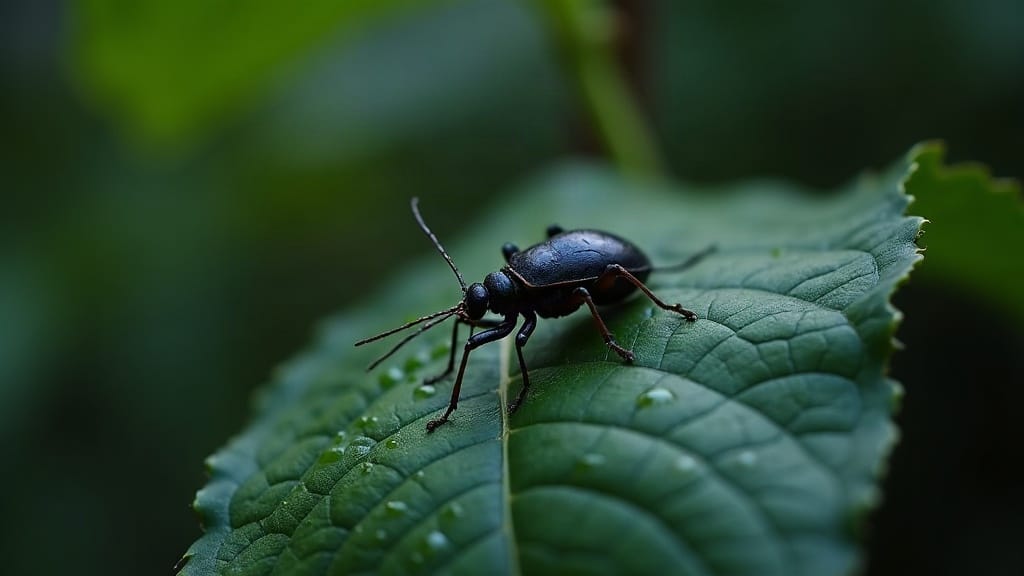
Four generations of wētāpunga have been born on Motuora and Tiritiri Matangi
Wētāpunga, the Little Barrier giant wētā, is New Zealand's heaviest insect. Rats, stoats and land clearance left it with one wild refuge: Te Hauturu-o-Toi / Little Barrier Island. On 2 October 2026 the Department of Conservation said a paper in the New Zealand Journal of Zoology now documents what a 15-year captive-breeding programme actually did.
Butterfly Creek worked out the early husbandry. Auckland Zoo, from a second colony set up in 2012, scaled it. Communal creches. From 2014 to 2025 the zoo bred and released 8,874 animals. Across both institutions, DOC says, more than 11,000 wētāpunga went out in 45 translocations to 10 new wild sites: eight predator-free islands in the Hauraki Gulf and the Bay of Islands, and two fenced mainland sanctuaries north of Auckland. The first releases were Motuora in 2010 and Tiritiri Matangi in 2011.
Intensive monitoring on those two islands shows at least four generations born in the wild. DOC says that milestone is the international confirmation that a released population has established. Many of the other sites are not there yet. The paper's authors include Chris Green, Donald McFarlane, Ben Goodwin, Paul Barrett, Chye-Mei Huang, Jessica Ayres and Richard Gibson. The journal date on the paper is 9 September 2026. The public documentation from DOC is 2 October.
Key Facts
- DOC media release: 2 October 2026
- Paper: New Zealand Journal of Zoology, 9 September 2026
- More than 11,000 animals, 45 translocations, 10 new sites
- Auckland Zoo alone, 2014–2025: 8,874 bred and released
- Four wild generations confirmed on Motuora and Tiritiri Matangi
- Former sole refuge: Te Hauturu-o-Toi / Little Barrier Island
- Sources: Department of Conservation, SciTechDaily summary of the paper
Why This Matters
Insect recoveries rarely get a generation count. This one has a published bar, and it clears that bar in two places. That is more useful than a claim that the species is saved.
What We Don't Know Yet
Eight islands and two sanctuaries are not the same as two monitored islands. We do not have a 2026 census of every release site. Mainland fences fail. A rat incursion would rewrite the paragraph. Establishment on two islands is the sentence we can defend.