Vineyard Wind Completes America's First Major Offshore Wind Farm
With the installation of its final turbine blade on March 13, Vineyard Wind has achieved a historic milestone as America's first major offshore wind farm, demonstrating that renewable energy momentum ...
Vineyard Wind Completes America's First Major Offshore Wind Farm
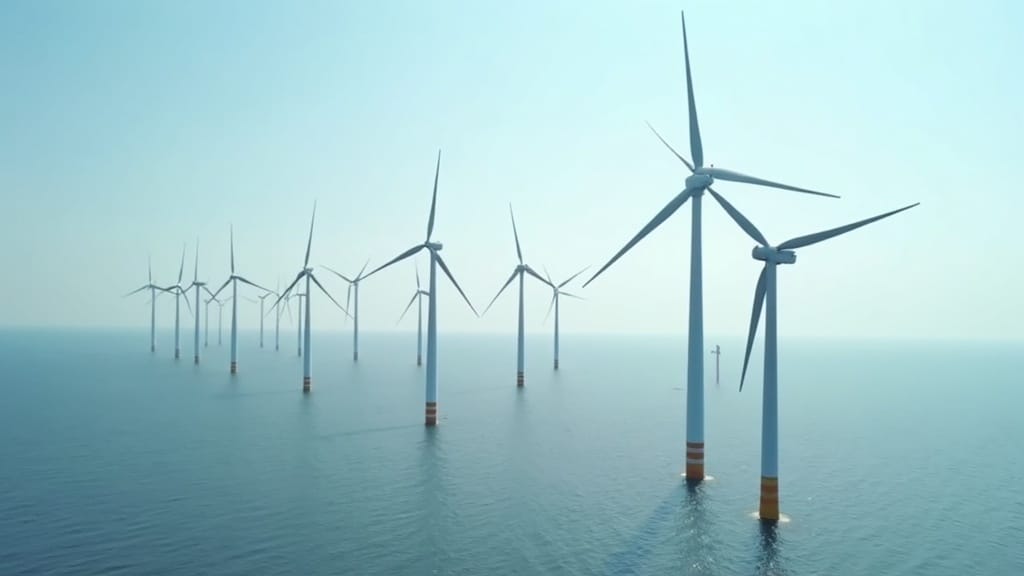
With the installation of its final turbine blade on March 13, Vineyard Wind has achieved a historic milestone as America's first major offshore wind farm, demonstrating that renewable energy momentum can persist even through intense political opposition. The 804-megawatt project, featuring 62 massive turbines rising from the Atlantic Ocean 15 miles south of Martha's Vineyard, will generate enough clean electricity to power 400,000 homes and businesses.
The completion represents more than just an engineering achievement—it's proof that renewable energy infrastructure can survive and thrive despite attempts to derail it through legal challenges and political pressure. The project faced significant obstacles during the Trump administration, which sought to halt construction through regulatory reviews and court challenges, yet persevered through federal court interventions that allowed work to resume.
Standing as tall as 60-story buildings, the turbines harness steady Atlantic winds that blow more consistently than onshore alternatives, generating electricity with capacity factors significantly higher than land-based wind farms. The project's success has already catalyzed five additional offshore wind developments that successfully resumed construction after navigating similar legal challenges.
Beyond its immediate power generation, Vineyard Wind has created a new American industry. The project required specialized vessels, underwater cables, and maintenance infrastructure that didn't previously exist in U.S. waters, establishing supply chains and expertise that will support future offshore developments along the Atlantic coast.
The timing of completion during current political tensions over renewable energy makes the achievement particularly significant, demonstrating that clean energy transitions can advance through market forces and legal protections even when federal support wavers.