UK Secures Record 7.4 GW in Largest-Ever Renewables Auction
Britain's largest-ever renewables auction secures 7.4 GW of clean power — and new onshore wind and solar is now half the cost of gas.
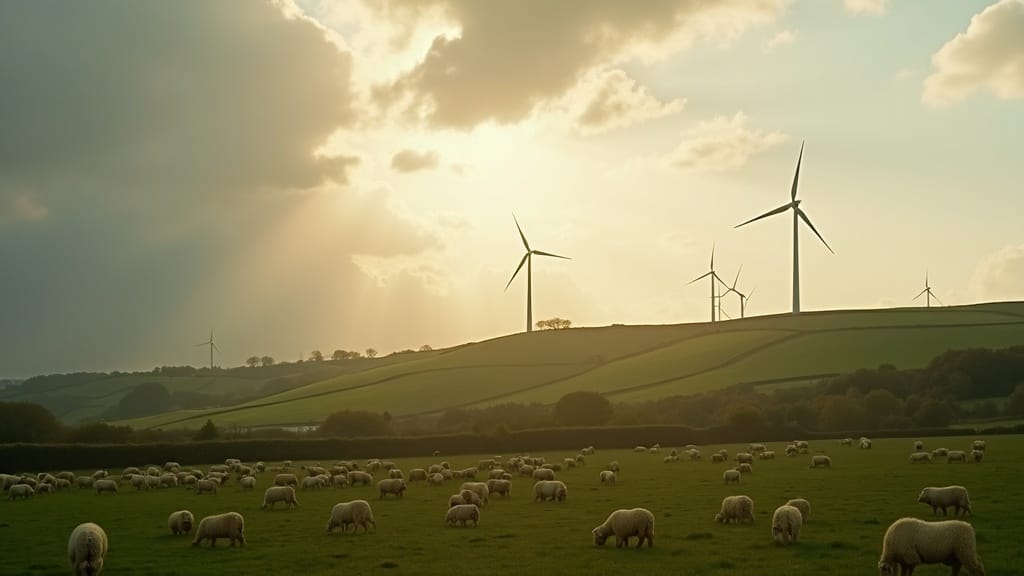
Britain has secured 7.4 gigawatts of new solar, onshore wind, and tidal power in its latest renewables auction — the largest in UK history — and the numbers tell a compelling story about the economics of energy.
New onshore wind and solar are now 50% cheaper than building new gas power plants, according to analysis by Carbon Brief. The economic argument for fossil fuels isn't just weakening — it's collapsing.
Energy Secretary Ed Miliband declared the auction a landmark moment that puts Britain on track for its ambitious 2030 clean power target. The secured capacity includes major onshore wind projects across Scotland and Wales, solar farms across southern England, and tidal stream projects in the Pentland Firth.
Key Facts
- 7.4 GW secured — UK's largest-ever renewables auction (Carbon Brief)
- New onshore wind and solar: 50% cheaper than new gas generation
- Includes solar, onshore wind, and tidal power (E&T Magazine)
- UK targeting clean power grid by 2030
Why This Matters
The UK was the birthplace of the industrial revolution — and coal power. The fact that renewables are now half the price of gas in Britain isn't just a climate win; it's an economic realignment. Every gigawatt of renewable capacity locked in at these prices is a hedge against the fossil fuel price volatility that hammered UK households in 2022-23.
The tidal stream element is particularly noteworthy. Tidal power is entirely predictable — unlike wind and solar — making it a valuable complement to intermittent renewables. The UK has some of the best tidal resources in the world.
What We Don't Know Yet
Auctions secure capacity commitments, not delivered power. Projects may face planning delays, supply chain constraints, or cost overruns. Grid connections remain a major bottleneck — many approved projects wait years for connection. And 7.4 GW of capacity doesn't mean 7.4 GW of 24/7 power; actual generation will depend on weather.
Sources: Carbon Brief · E&T Magazine
Published February 18, 2026 · Category: Environment & Climate