Health & Medicine How Exercise Strengthens Bones: Scientists Crack the Molecular Code The mystery of how exercise builds stronger bones has been solved — and the answer could transform treatment for 200 million people with osteoporosis.
Health & Medicine FDA Approves First Wearable Device for Pancreatic Cancer Optune Pax is the first device of its kind — a portable, non-invasive treatment for one of cancer's most lethal forms.
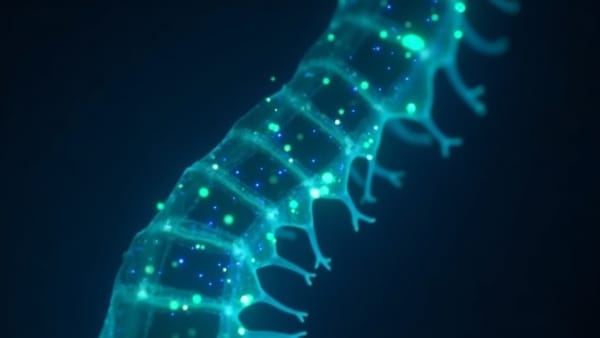
Health & Medicine Lab-Grown Human Spinal Cord Heals After Injury in World First Scientists at Northwestern University have achieved a world first: building a human spinal cord in miniature, injuring it, and healing it.
Health & Medicine How Exercise Strengthens Bones: Scientists Crack the Molecular Code The mystery of how exercise builds stronger bones has been solved — and the answer could transform treatment for 200 million people with osteoporosis.
Health & Medicine FDA Approves First Wearable Device for Pancreatic Cancer Optune Pax is the first device of its kind — a portable, non-invasive treatment for one of cancer's most lethal forms.
Health & Medicine Lab-Grown Human Spinal Cord Heals After Injury in World First Scientists at Northwestern University have achieved a world first: building a human spinal cord in miniature, injuring it, and healing it.
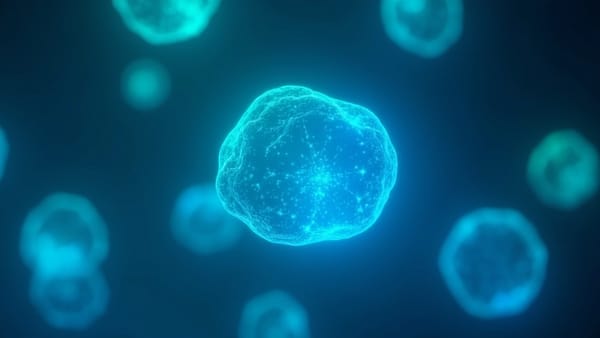
Health & Medicine Lab-Grown Immune Commanders Could Democratise Cancer Therapy UBC scientists have grown helper T cells from stem cells for the first time, potentially unlocking affordable, off-the-shelf cancer immunotherapy.
Health & Medicine Lab-Grown Immune Commanders Could Democratise Cancer Therapy UBC scientists have grown helper T cells from stem cells for the first time, potentially unlocking affordable, off-the-shelf cancer immunotherapy.
Health & Medicine Time-Restricted Eating Cuts Crohn's Disease Activity by 40% in Clinical Trial A randomised trial found that eating within an 8-hour window reduced Crohn's disease activity by 40% — a free, accessible complement to existing treatments.
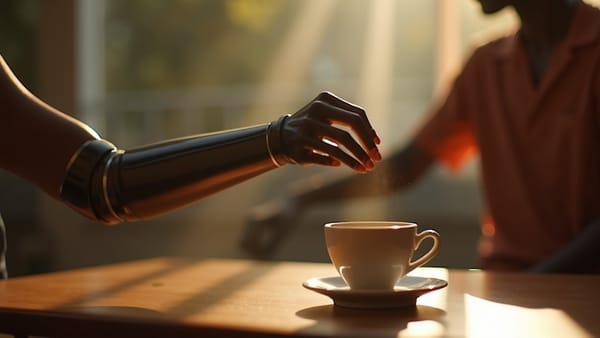
Health & Medicine AI Prosthetic Arms Feel Most Natural at One Second Per Reach, VR Study Finds A VR study found AI prosthetic arms feel most natural at human speed — one second per reach. Faster feels creepy, slower feels frustrating.
Daily Digest Featured The Olympics just banned 'forever chemicals' — and athletes are getting disqualified Three athletes DQ'd for PFAS ski wax at Milan-Cortina. Plus: a free tool for Crohn's disease, China's coal decline, first Zika drug candidate, and brain cell rejuvenation.