Swiss Scientists Create "Smart" DNA Cancer Treatment That Thinks Before It Acts
- Swiss scientists develop revolutionary DNA-based cancer treatment that uses two-key authentication to protect healthy cells while targeting tumors with unprecedented precision.
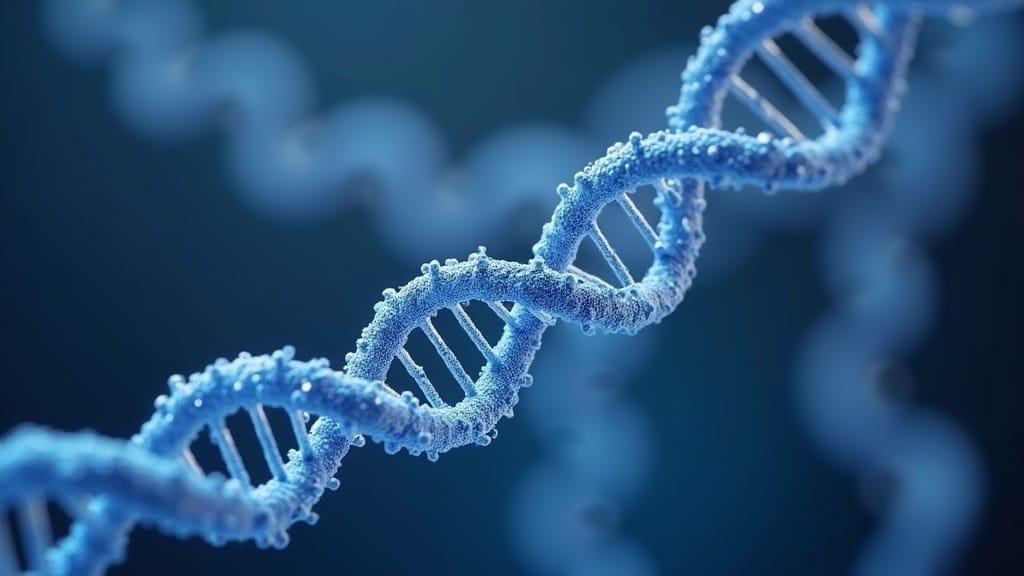
Swiss Scientists Create "Smart" DNA Cancer Treatment That Thinks Before It Acts
Scientists at the University of Geneva have developed what could be the future of cancer treatment: a "smart" DNA-based drug system that literally thinks before it acts. Unlike traditional chemotherapy that attacks healthy and cancerous cells alike, this breakthrough technology requires two specific cancer markers to be present before releasing its therapeutic payload — like a safe that needs two keys turned simultaneously. The system represents a fundamental shift from chemistry's "sledgehammer approach" to what researchers call "molecular computing." The DNA-based drug circulates harmlessly through the body until it encounters a cell displaying both required cancer signatures.
Only then does it unlock and release powerful anti-cancer compounds directly where needed, leaving healthy tissue untouched. Early results suggest this approach could eliminate many of chemotherapy's devastating side effects while delivering more effective treatment. The system is programmable, meaning it can be customized for different cancer types and even individual patients' unique biological signatures. This breakthrough comes at a critical time, as cancer incidence continues to rise globally while patients and families seek treatments that preserve quality of life alongside extending survival.
Key Facts
- Requires both cancer markers present for activation (two-key authentication)
- Developed at University of Geneva, Switzerland
- Published in Nature Biotechnology (peer-reviewed)
- Could eliminate most chemotherapy side effects
- Programmable for different cancer types and patient biology
- Currently in preclinical development
Why This Matters
Cancer treatment has long struggled with the challenge of selectivity. Traditional chemotherapy works by targeting rapidly dividing cells, but many healthy cells also divide rapidly — leading to hair loss, nausea, immune suppression, and other severe side effects. Targeted therapies improved this somewhat, but many still affect healthy tissue. The concept of "molecular computing" in medicine has been a goal for decades, but creating DNA systems stable enough to survive in the human body while remaining precise enough to distinguish cancer from healthy cells has proven extraordinarily difficult.
What We Don't Know Yet
This research is still in early preclinical stages — human trials are likely years away. The system's effectiveness will depend on identifying reliable cancer markers that are present across tumor types but absent in healthy tissue, which remains challenging for many cancers. Questions remain about manufacturing costs, system stability in the human body, and whether the approach will work across different cancer stages and types. The two-key requirement, while safer, may also limit effectiveness if tumors don't consistently express both required markers.