Svalbard's Polar Bears Are Adapting — Getting Fatter and Healthier Despite Shrinking Ice
Norway's Svalbard polar bears are getting fatter and healthier despite sea ice loss, adapting with new food sources — but long-term questions remain.
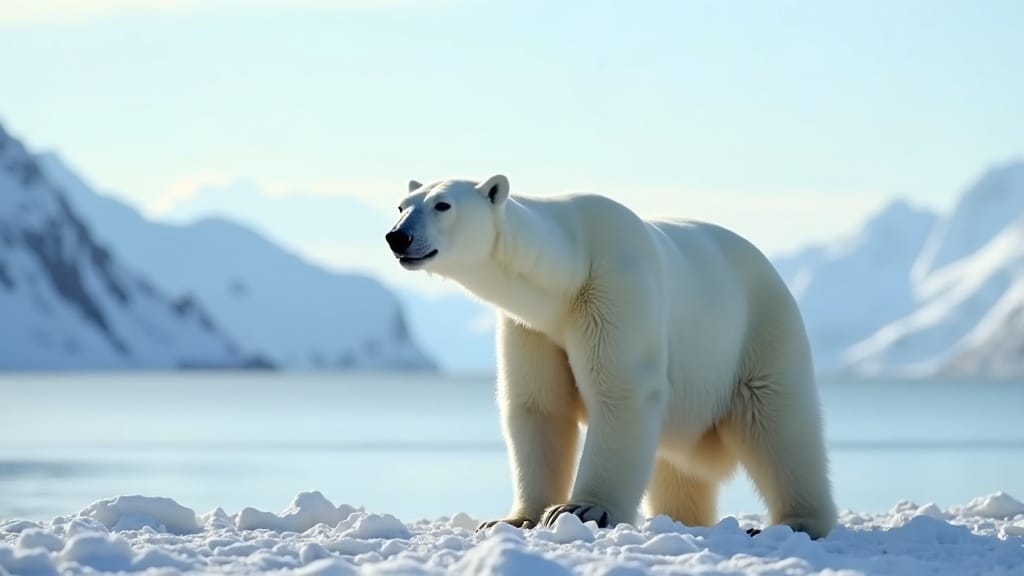
Norway's Svalbard polar bears are defying expectations. Despite significant sea ice decline, the approximately 250 bears that remain on the islands year-round are getting fatter and healthier.
Researchers believe changing ice patterns have made seals easier to find, while growing harbour seal and reindeer populations provide new food sources. The bears have been observed raiding duck and geese colonies for eggs and even chasing down reindeer — behaviours highlighting remarkable dietary flexibility.
Key Facts
- ~250 polar bears remain on Svalbard islands year-round (The Wildlife Society)
- Body condition is improving despite sea ice loss
- New food sources: harbour seals, reindeer, bird eggs
- Lead researcher: Jon Aars, Norwegian Polar Institute (Times of India)
Why This Matters
Polar bears have become the poster species for climate change — and rightly so. But Svalbard's bears illustrate that nature's response is more nuanced than simple linear decline. Regional factors create localised outcomes that blanket narratives miss. Understanding adaptation can improve conservation strategies.
What We Don't Know Yet
This is a local phenomenon — many other polar bear populations ARE declining. "It will be very difficult to support a reasonable population of polar bears if sea ice disappears," warns Jouke Prop of the University of Groningen. Around 250 bears is a tiny population with genetic diversity concerns. And cherry-picking one positive data point risks undermining broader conservation messaging.
Sources: The Wildlife Society · Times of India / New Scientist
Published 17 February 2026 · Category: Environment & Climate