South African Reserve Proves Wildlife Can Pay for Itself Through Carbon Markets
South African reserve becomes first to earn carbon credits from wildlife conservation, generating 34,000+ credits and proving conservation can pay for itself.
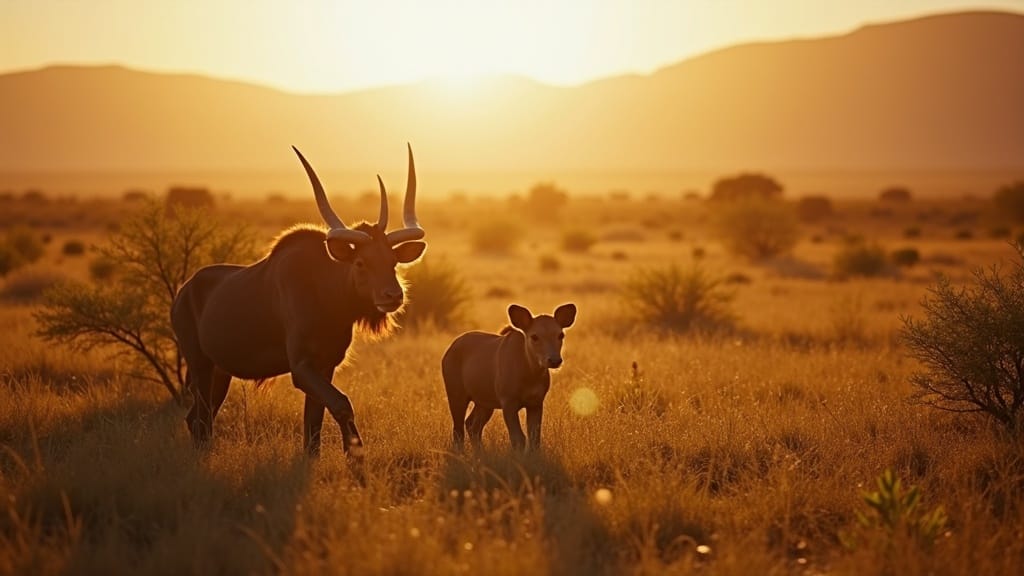
A South African wildlife reserve has pioneered a breakthrough funding model for conservation, becoming the first private reserve in the country to earn carbon credits directly from wildlife protection activities. Tswalu Kalahari Reserve has generated over 34,000 carbon credits with 275,000+ expected total, proving that conservation can be economically self-sustaining while addressing climate change.
The 118,000-hectare reserve demonstrates how restoring natural grazing patterns through wild animal populations increases soil carbon storage, creating measurable climate benefits that can be monetized. This market-based approach offers a viable alternative to traditional conservation funding that relies on philanthropy or tourism revenue.
The success provides a roadmap for scaling wildlife protection across Africa's degraded landscapes, potentially transforming vast areas into carbon-sequestering wildlife havens that pay for their own protection. The model aligns conservation incentives with climate action, making biodiversity protection profitable rather than costly.
Key Facts
- First private South African reserve to earn carbon credits from wildlife conservation
- Generated 34,000+ carbon credits so far
- 275,000+ total credits expected
- 118,000-hectare reserve demonstrates soil carbon storage from natural grazing
- Restoring wild animal grazing patterns increases carbon sequestration
- Market-based conservation model independent of philanthropy
- Source: Mongabay environmental reporting
Why This Matters
This development represents significant progress in addressing key challenges and offers hope for positive change in the affected area.
What We Don't Know Yet
Further research and monitoring will help clarify the long-term implications and effectiveness of these developments.