Solar Overtakes All Energy Sources in Historic Global First
Solar power became the largest contributor to global energy supply growth in 2025, marking a historic shift in the world's energy system, according to new IEA data.
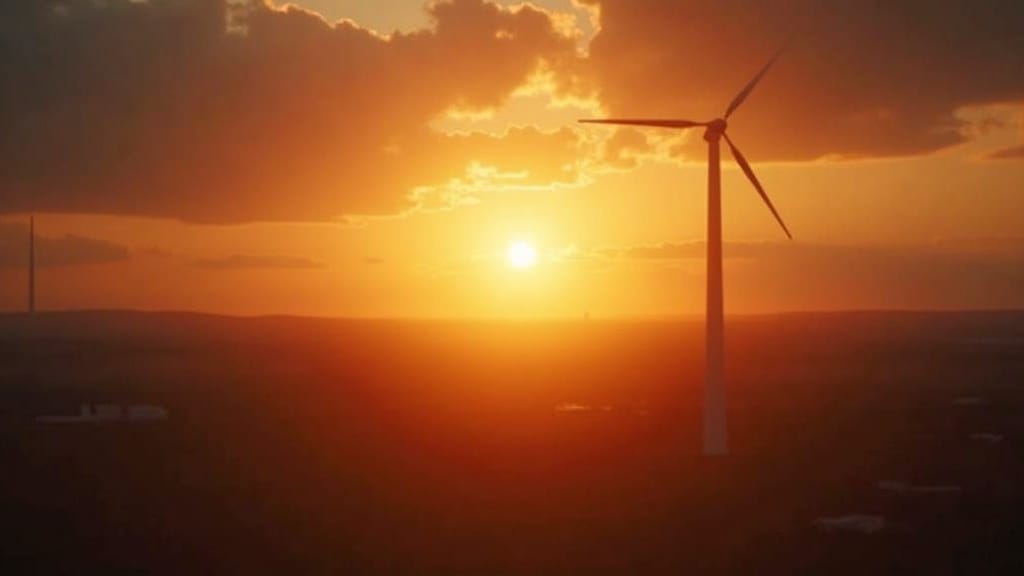
For the first time in history, solar power has become the single largest contributor to global energy supply growth. According to the International Energy Agency's 2026 Global Energy Review, solar accounted for more than 25% of the increase in global energy supply during 2025 — adding approximately 600 terawatt-hours of generation, the largest single-year increase ever recorded for any power technology.
This isn't just a statistic. It represents a structural transformation in how the world powers itself. Clean electricity is now scaling fast enough to absorb rising global demand, with renewables and nuclear together meeting nearly 60% of energy demand growth. The era of clean growth has arrived, and solar isn't merely competing with fossil fuels anymore — it's beating them at their own game.
The significance extends beyond environmental benefits. Countries that were once dependent on imported fossil fuels are now achieving energy independence through solar installations. The technology has matured from an expensive alternative to the cheapest source of new electricity generation in most of the world.
Key Facts
- Solar added ~600 TWh of generation globally in 2025 — largest single-year increase for any power technology ever - Solar accounted for >25% of global energy supply growth - Renewables + nuclear met nearly 60% of energy demand growth - Source: IEA Global Energy Review 2026
Why This Matters
The energy transition has been discussed for decades, but 2025 marks the inflection point where rhetoric met reality. Solar's cost curve has plummeted 90% over the past decade, driven by manufacturing scale in China, technological improvements, and supportive policies in major economies. This story sits at the intersection of climate action, energy security, and economic transformation — making it relevant to virtually every reader.
What We Don't Know Yet
- The IEA data reflects generation capacity additions, not actual emissions reductions (which lag due to fossil fuel infrastructure lifetime) - Solar's intermittency remains a challenge requiring storage and grid investment - Manufacturing concentration in China raises supply chain and geopolitical concerns - The 600 TWh figure represents growth, not total generation — fossil fuels still dominate overall energy mix