MIT Names Sodium Batteries Among 2026 Breakthrough Technologies
MIT Technology Review has recognized sodium-ion batteries among 2026's breakthrough technologies, highlighting how the abundant element could disrupt lithium's market dominance.
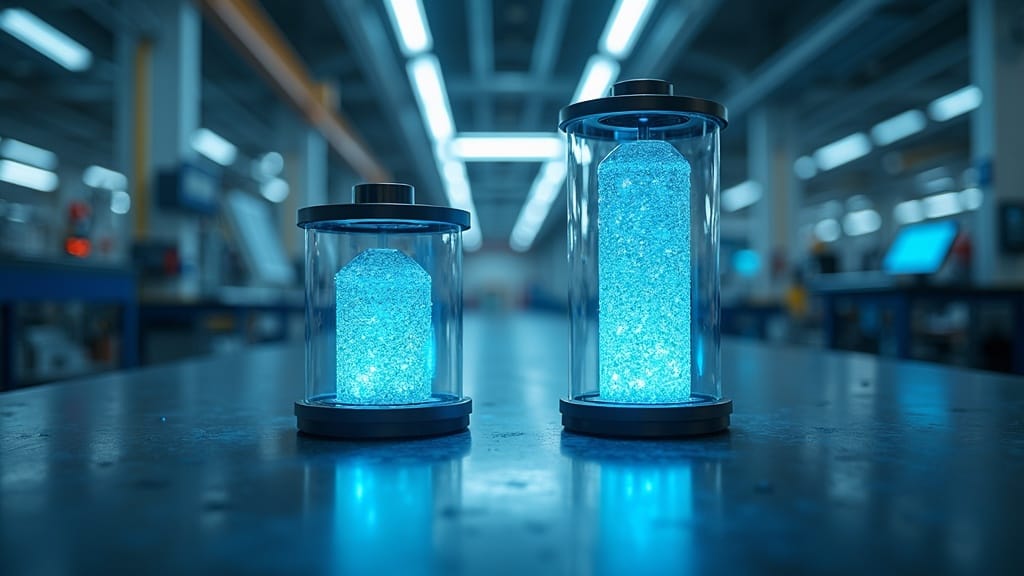
MIT Names Sodium Batteries Among 2026 Breakthrough Technologies
Abundant element could disrupt lithium's dominance in global battery market
The element that makes table salt could reshape the global energy economy. MIT Technology Review has recognised sodium-ion batteries among 2026's breakthrough technologies, highlighting how the world's sixth most abundant element is poised to challenge lithium's dominance in energy storage and electric vehicles.
Sodium's advantages extend far beyond abundance. While lithium extraction requires environmentally destructive mining operations concentrated in a handful of countries, sodium can be derived from seawater using established industrial processes. Sodium batteries also perform better in extreme temperatures and pose fewer fire safety risks than their lithium counterparts.
The breakthrough timing aligns with growing concerns about lithium supply chains and geopolitical concentration. As electric vehicle adoption accelerates globally, sodium batteries could democratise the clean energy transition by removing dependency on scarce materials and volatile supply chains controlled by a few nations.
Key Facts
- Sodium is the 6th most abundant element on Earth vs. lithium's scarcity
- Better temperature performance and safety profile than lithium batteries
- Can be manufactured using existing battery production infrastructure
- MIT Technology Review recognition validates commercial readiness
Why This Matters
This development represents a significant step forward in science & technology, with implications that extend far beyond the immediate breakthrough. As global challenges continue to evolve, innovations like this demonstrate the power of focused research and development to create meaningful positive change.
What We Don't Know Yet
While these results are promising, important questions remain about long-term implementation, scalability, and broader applicability. Continued monitoring and research will be essential to fully understand the implications and optimize the approach for maximum benefit.
Published March 18, 2026 · Category: Science & Technology