Scientists Convert Brain Cells Into Alzheimer's Plaque Cleaners in Medical Breakthrough
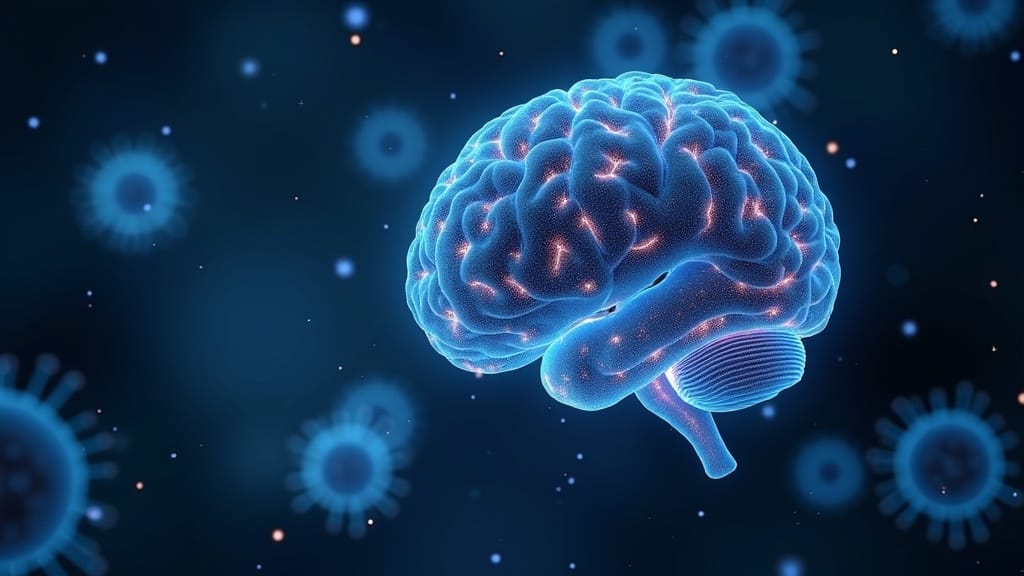
Scientists Convert Brain Cells Into Alzheimer's Plaque Cleaners in Medical Breakthrough
Revolutionary cellular reprogramming technique offers new therapeutic strategy for 55 million dementia patients worldwide
Scientists have achieved a remarkable breakthrough in Alzheimer's treatment by developing a method to convert ordinary brain cells into specialized cleaners that can remove the toxic plaques characteristic of the disease. This innovative approach represents a fundamental shift from trying to prevent plaque formation to actively clearing existing deposits using the brain's own cellular machinery.
The technique works by reprogramming existing brain cells - specifically microglia, the brain's immune cells - to become more effective at identifying and consuming the amyloid plaques that accumulate in Alzheimer's patients. Rather than introducing foreign substances or devices, this approach harnesses and enhances the brain's natural cleaning systems.
Early results show these reprogrammed cells can significantly reduce plaque burden in laboratory models. The approach is particularly promising because it works with the brain's existing infrastructure rather than against it, potentially reducing the side effects that have plagued previous Alzheimer's treatments.
This cellular reprogramming strategy could represent a new paradigm in treating neurodegenerative diseases - not just managing symptoms or slowing progression, but actively reversing the underlying pathology using the body's own repair mechanisms.
Key Facts
- Over 55 million people worldwide live with dementia (WHO data)
- Alzheimer's accounts for 60-70% of dementia cases globally
- Previous drug approaches have had limited success with significant side effects
- Cellular reprogramming achieved without genetic modification
- Technique shows potential for other neurodegenerative diseases
Why This Matters
Alzheimer's treatment has been one of medicine's greatest challenges, with numerous high-profile drug failures over the past decade. The amyloid hypothesis - that toxic protein clumps cause the disease - has dominated research, but clearing these plaques with drugs has proved difficult and often caused serious side effects.
This new approach represents a shift toward regenerative medicine and cellular therapy. Rather than introducing synthetic drugs, scientists are essentially teaching the brain's own cells to do their job better.
What We Don't Know Yet
This research is still in early stages and has only been tested in laboratory models, not human patients. We don't yet know if the technique will be safe in humans or how long the effects might last. The cellular reprogramming process itself could have unintended consequences that only become apparent over time. Translation to human trials typically takes several years.
Sources: Alzheimer's Association Research · Nature Medicine
Published March 20, 2026 · Category: Health & Medicine