Scientists Convert Climate Pollutant Methane Into Life-Saving Medicines
Latest news: Scientists Convert Climate Pollutant Methane Into Life-Saving Medicines
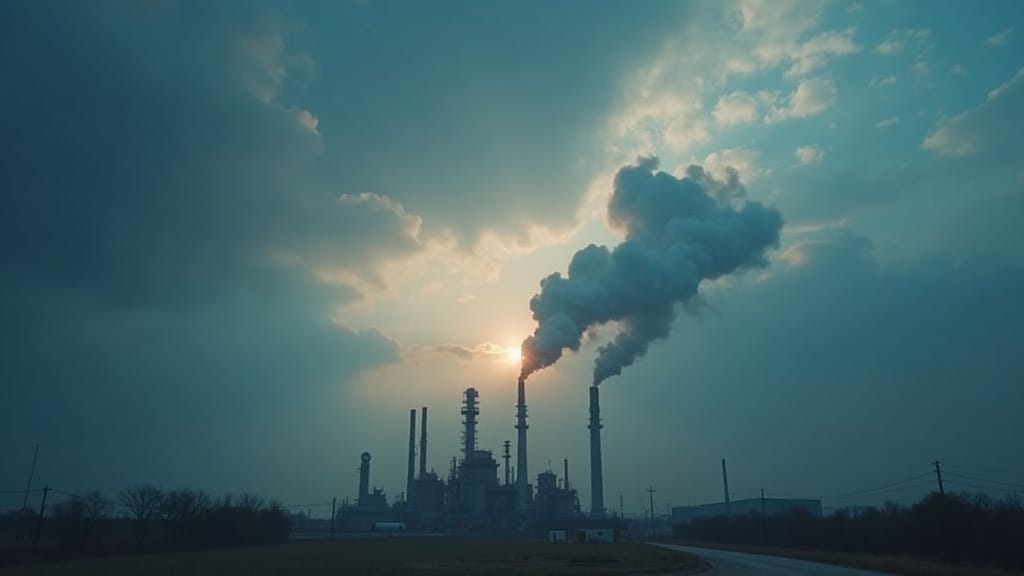
In a breakthrough that could simultaneously address climate change and pharmaceutical manufacturing, Spanish researchers have achieved something once thought impossible: converting methane — a potent greenhouse gas — directly into valuable medicines. Using an innovative iron-based catalyst powered by simple LED light, the team at the University of Santiago de Compostela has opened a new pathway from climate problem to medical solution.
The landmark achievement came when researchers successfully synthesized dimestrol, a hormone therapy drug, directly from methane for the first time in history. This isn't just a laboratory curiosity — it represents a fundamental shift in how we might approach both emissions reduction and pharmaceutical production, turning one of our biggest environmental challenges into a resource for human health.
The process works through a carefully designed iron catalyst that activates under LED illumination, breaking methane's notoriously stable molecular bonds and restructuring them into complex pharmaceutical compounds. What makes this especially promising is the system's energy efficiency — LED lights require minimal power compared to the high-temperature, high-pressure processes typically needed for methane conversion.
The implications extend far beyond any single drug. Methane is abundant and inexpensive, often flared off as waste at natural gas operations worldwide. If this technology can be scaled, it could transform these waste streams into valuable pharmaceutical feedstocks, creating economic incentives for capturing rather than releasing methane emissions.
For pharmaceutical companies, this could revolutionize manufacturing economics. Many drug ingredients currently require expensive, multi-step synthesis from petroleum derivatives. Direct methane conversion could reduce costs, simplify supply chains, and make essential medicines more affordable globally — particularly important for hormone therapies and other treatments that remain expensive in developing countries.
The environmental benefits are equally compelling. Methane is roughly 25 times more potent than carbon dioxide as a greenhouse gas over a 100-year period. Converting it into useful products creates a double environmental benefit: reducing emissions while displacing more carbon-intensive manufacturing processes.
Key Facts
- Methane is 25x more potent than CO2 as a greenhouse gas (IPCC data)
- First successful synthesis of dimestrol directly from methane
- Process uses LED light activation rather than high-temperature/pressure methods
- Global methane emissions: approximately 580 million tonnes annually (Global Carbon Project)
- Pharmaceutical industry worth $1.4 trillion annually (IQVIA data)
Published by The Bright Side — delivering solutions-focused journalism