Sardinia's Griffon Vultures Return from the Brink in Italy's Greatest Conservation Win
From the edge of extinction to 500 strong — Sardinia's griffon vultures are one of Europe's great conservation comebacks.
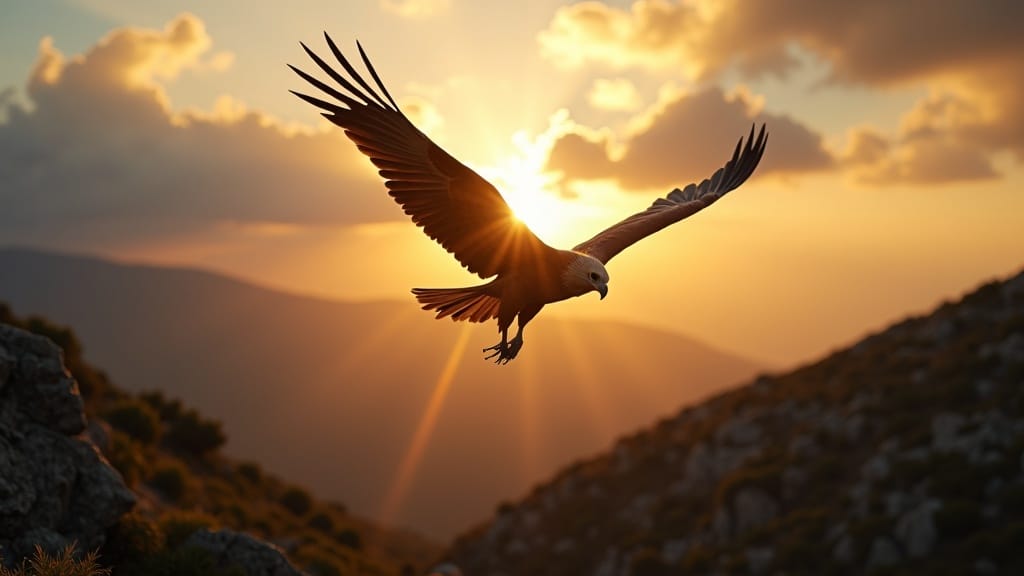
On the Italian island of Sardinia, griffon vultures were staring down extinction at the beginning of the 2010s. Indirect poisoning — from pesticides, veterinary drugs, and chemicals ingested through the carcasses they fed on — had devastated their numbers.
Today, more than 500 griffon vultures soar over Sardinia's mountains. Their recovery is being hailed as one of Italy's most impressive conservation achievements — proof that with sustained effort, even species on the brink can be brought back.
The turnaround came through a multi-pronged approach: banning the most harmful pesticides, establishing feeding stations stocked with safe carcasses, enforcing anti-poaching laws, and running captive breeding programmes. None of these measures alone would have worked. Together, they created the conditions for recovery.
Key Facts
- Population recovered from near-zero to 500+ individuals (Euronews Green)
- Recovery took approximately 15 years of coordinated effort
- Griffon vultures are EU-protected under the Birds Directive
- Vultures consume carcasses within hours, preventing disease spread
Why This Matters
Vultures are the most underappreciated animals in conservation. They're not cute, they're not cuddly, and they eat dead things. But they are irreplaceable ecosystem engineers — nature's sanitation service. Where vultures decline, disease from rotting carcasses increases. India's vulture crash in the 1990s led to a spike in rabies from proliferating feral dogs feeding on unscavenged remains.
Sardinia's success shows that vulture conservation works, and it provides a replicable template for other Mediterranean regions and Africa, where vulture populations are in freefall.
What We Don't Know Yet
500 birds is a recovery, not a guarantee. The population remains vulnerable to a single poisoning event. Lead ammunition, still used in parts of Europe, poses an ongoing threat. Climate change is altering the ecosystems vultures depend on, and it's unclear how this will affect prey availability and breeding success long-term.
Sources: Euronews Green · Euronews Positive Environment Roundup
Published February 18, 2026 · Category: Environment & Climate