Saiga Antelopes Pull Back from Extinction as Conservation Efforts Pay Off
Ancient steppe species improves from Endangered to Near Threatened through coordinated protection efforts
Saiga Antelopes Pull Back from Extinction as Conservation Efforts Pay Off
Ancient steppe species improves from Endangered to Near Threatened through coordinated protection efforts
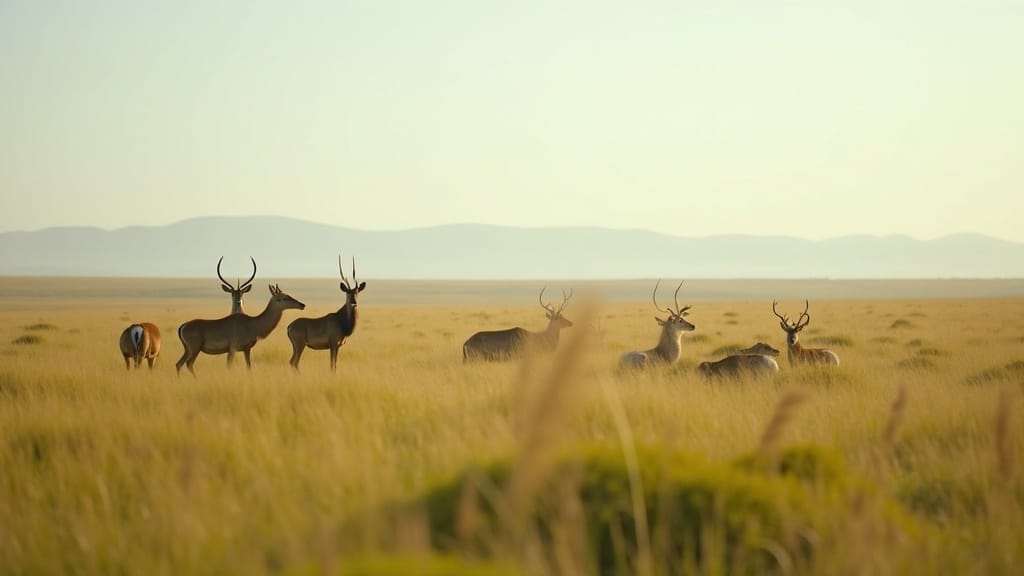
The Saiga antelope, an ancient species that once roamed alongside mammoths, is making a remarkable recovery from the brink of extinction. The distinctive-looking animals, with their inflated nostril structures adapted for Central Asia's harsh climate, have improved their conservation status from Endangered to Near Threatened—a significant victory for coordinated conservation efforts..
This success story emerges from years of intensive work addressing the twin threats that devastated Saiga populations: poaching for their horns, valued in traditional medicine, and catastrophic disease outbreaks that killed hundreds of thousands in single events. The recovery demonstrates that even species facing seemingly insurmountable challenges can bounce back with dedicated intervention.
The improvement reflects strengthened anti-poaching efforts, habitat protection measures, and crucial community engagement programs that provide alternative livelihoods for local people. Kazakhstan's government, working with international conservation partners, has transformed the outlook for a species that seemed destined for extinction just years ago.
Key Facts
- Conservation status improved from Endangered to Near Threatened (UNEP-AEWA)
- Population crashed due to disease outbreaks and poaching (IPS News)
- Recovery achieved through anti-poaching and habitat protection (Conservation reports)
- Species survived ice ages but nearly wiped out by human activity (Scientific literature)
Why This Matters
The Saiga antelope, an ancient species that once roamed alongside mammoths, is making a remarkable recovery from the brink of extinction. The distinctive-looking animals, with their inflated nostril structures adapted for Central Asia's harsh climate, have improved their conservation status from Endangered to Near Threatened—a significant victory for coordinated conservation efforts.
This success story emerges from years of intensive work addressing the twin threats that devastated Saiga populations: poaching for their horns, valued in traditional medicine, and catastrophic disease outbreaks that killed hundreds of thousands in single events. The recovery demonstrates that even species facing seemingly insurmountable challenges can bounce back with dedicated intervention.
What We Don't Know Yet
The species remains vulnerable to disease outbreaks and climate change impacts. "Near Threatened" status is still precarious, and continued vigilance is needed to prevent backsliding. The success in Kazakhstan may not translate directly to other regions where different pressures persist, and long-term monitoring is essential to ensure sustainable population growth.
Sources: Conservation reports · Scientific literature · IPS NewsPublished March 13, 2026 · Category: Environment & Climate