Data-Driven Nature: The High-Tech Restoration of the Rothbury Estate
Using acoustic monitoring and soil analysis, a Northumberland estate is creating a scientific blueprint for rewilding.
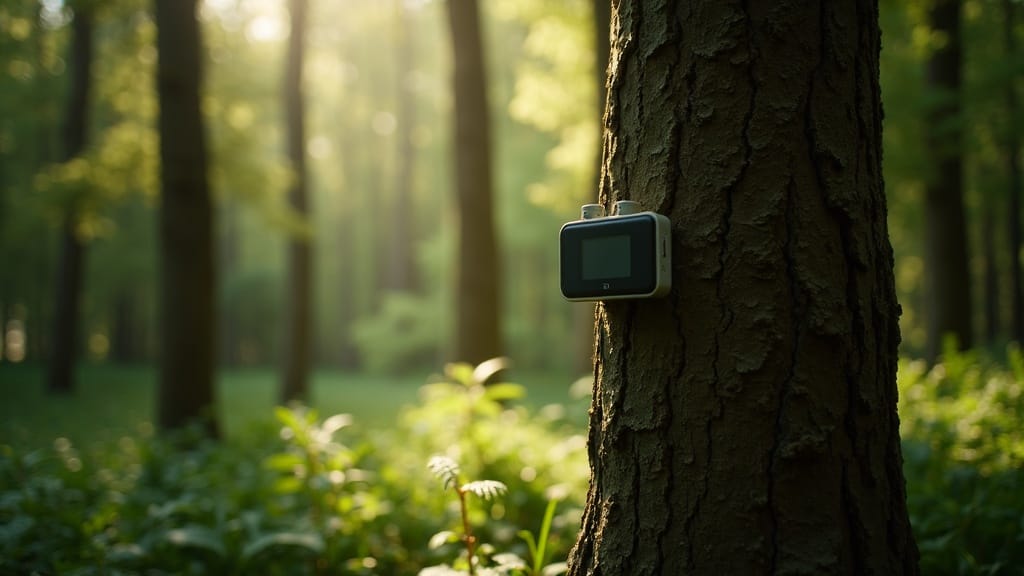
Data-Driven Nature: The High-Tech Restoration of the Rothbury Estate
Rewilding is often viewed as a "hands-off" approach—letting nature take its course. But at the Rothbury Estate in Northumberland, nature recovery is being guided by a high-tech, data-driven strategy.
By deploying acoustic monitoring sensors and conducting deep soil analysis, the estate is uncovering the "wild secrets" of the land. This allows conservationists to identify exactly which habitats are thriving and where intervention is needed to support rare red squirrels and endangered bird species.
This intersection of data science and ecology removes the guesswork from restoration. Instead of hoping that a certain planting strategy works, the estate can monitor the actual return of species in real-time, adjusting their approach based on evidence. It transforms the estate into a living laboratory for large-scale nature recovery.
Key Facts
- Location: Rothbury Estate, Northumberland, UK [Inside Ecology].
- Technology: Acoustic monitoring and deep soil analysis [Inside Ecology].
- Target Species: Red squirrels and endangered bird species [Inside Ecology].
Why This Matters
The UK has some of the most degraded landscapes in the developed world. Traditional conservation often focuses on maintaining a "status quo." The Rothbury project represents a shift toward "active restoration," using technology to accelerate the return of complex ecosystems. By knowing exactly what is happening on the ground, the estate can move faster and more accurately than traditional methods would allow.
What We Don't Know Yet
Technology provides data, but it doesn't guarantee success. Ecological recovery takes decades, and short-term data spikes can be misleading. The story should emphasize that the tech is a tool to guide the process, not a magic switch that restores nature overnight. The long-term stability of these recovered habitats still needs to be proven over many seasons.
Sources: Inside Ecology
Published 2026-05-06 · Category: Environment & Climate