Rhinos Return to Ugandan National Park After 40-Year Absence
After four decades of absence, rhinos have returned to Uganda's Kidepo Valley National Park with the reintroduction of two southern white rhinos this week, marking a significant milestone in African c...
Rhinos Return to Ugandan National Park After 40-Year Absence
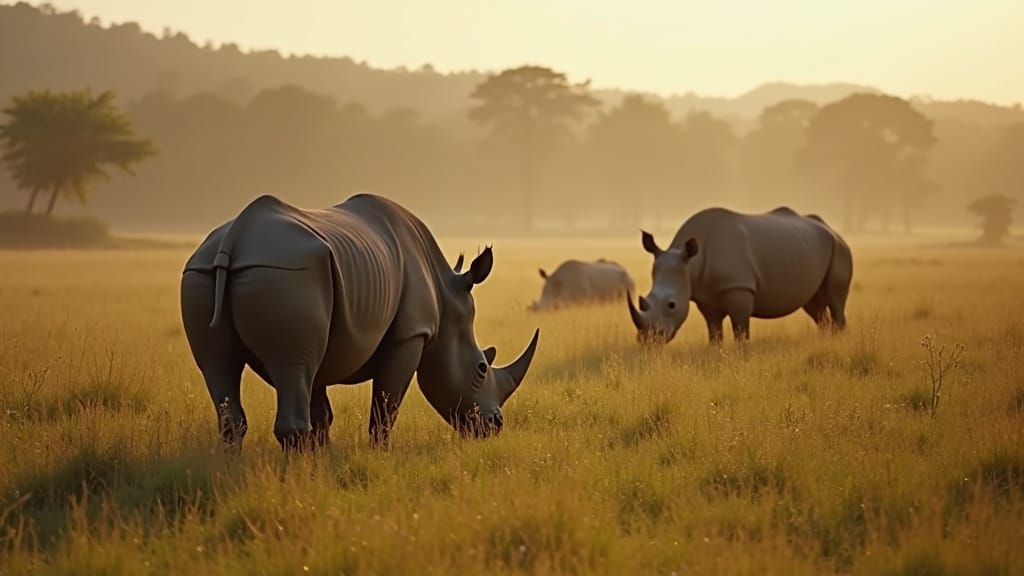
After four decades of absence, rhinos have returned to Uganda's Kidepo Valley National Park with the reintroduction of two southern white rhinos this week, marking a significant milestone in African conservation and ecosystem restoration. The homecoming represents successful species recovery in one of Africa's most intact savannah environments, where rhinos once roamed freely before being hunted to local extinction in the 1980s.
The reintroduction, carried out by the Uganda Wildlife Authority, required years of preparation including anti-poaching infrastructure, community engagement, and habitat restoration. The two rhinos—a male and female—were carefully selected for their genetic diversity and reproductive potential, with additional animals planned to follow as the population establishes itself.
Kidepo Valley's remote location in northeastern Uganda, near the borders with South Sudan and Kenya, provides ideal habitat for rhinos with vast grasslands, seasonal rivers, and minimal human encroachment. The park's existing populations of elephants, buffalos, and other large herbivores have maintained the ecosystem structure needed for successful rhino reintroduction.
This achievement reflects broader success in African rhino conservation, where intensive anti-poaching efforts and international cooperation have stabilized some populations after decades of decline. While black rhinos remain critically endangered, southern white rhino numbers have recovered sufficiently to enable relocations to former range areas.
The return also has cultural significance for local communities who remember stories of rhinos from their grandparents' generation. Community conservancy programs have trained local rangers and created economic incentives for wildlife protection, addressing the poverty that sometimes drives poaching.