Revolutionary Cell Therapy Could Replace Spine Surgery
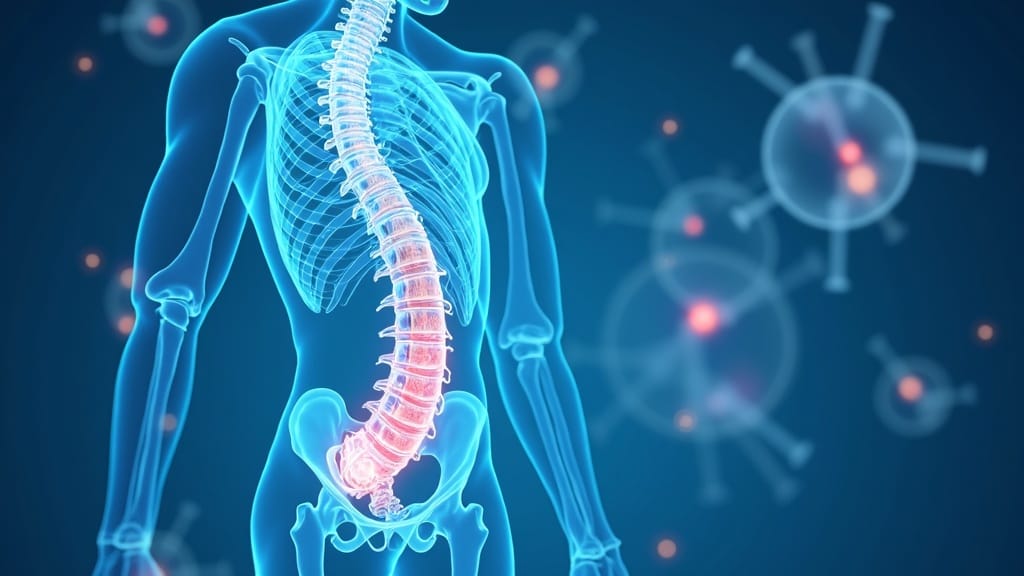
Revolutionary Cell Therapy Could Replace Spine Surgery
Injectable Treatment Reduces Back Pain by 63% While Regenerating Damaged Discs
Instead of fusing vertebrae or replacing damaged discs, doctors might soon inject patients' own cells to regrow healthy spinal tissue from the inside out. DiscGenics' groundbreaking cell therapy has shown a 62.8% reduction in chronic back pain at one year, offering a minimally invasive alternative to surgery for millions suffering from degenerative disc disease.
The injectable treatment, called IDCT (Injectable Discogenic Cell Therapy), uses specially prepared cells that regenerate damaged disc tissue rather than simply managing pain. Unlike traditional approaches that remove or replace damaged discs, this therapy actually rebuilds the natural structures that cushion vertebrae.
The breakthrough addresses a massive unmet need. Degenerative disc disease affects millions worldwide, often leading to chronic pain, limited mobility, and reduced quality of life. Current options range from pain medication to invasive fusion surgery, but none restore the disc's natural function. IDCT could change that paradigm entirely.
The therapy has received both regenerative medicine advanced therapy (RMAT) designation and fast-track status from the FDA, reflecting its potential to address serious unmet medical needs. Phase 3 trials are now underway, bringing the treatment closer to widespread availability.
Key Facts
- 62.8% reduction in back pain at 52 weeks in high-dose patients
- Injectable therapy using patients' own discogenic progenitor cells
- FDA fast-track and RMAT designation granted
- Phase 3 trials cleared to begin
- Targets degenerative disc disease affecting millions globally
Why This Matters
This development represents a significant advancement in health & medicine, potentially improving outcomes for millions of patients worldwide.
What We Don't Know Yet
While results are promising, long-term safety data and real-world effectiveness still need validation through larger studies and continued monitoring.
Published March 08, 2026 · Category: Health & Medicine