Renewables Surpass Coal as World's Top Electricity Source
For the first time ever, renewable energy generated more electricity than coal globally in 2025, marking a historic turning point in the clean energy transition.
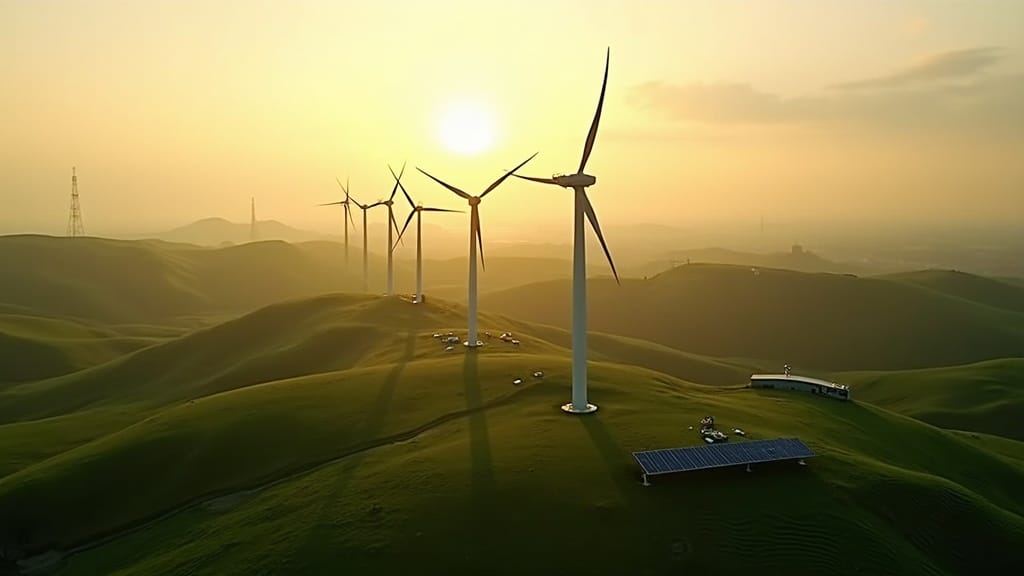
For the first time in history, renewable energy sources generated more electricity than coal globally in 2025—a milestone that signals a fundamental shift in how the world powers itself. According to analysis from Carbon Brief and reporting by The Guardian, clean energy met 100% of the growth in global electricity demand, effectively preventing any increase in fossil fuel generation for the first time ever.
Solar power led the charge, with generation rising by nearly a third compared to the previous year. Renewables now account for 33.8% of the world's electricity mix, overtaking coal's share. This isn't just a symbolic victory: it demonstrates that economic growth can be decoupled from fossil fuel consumption at a global scale.
The implications extend far beyond the energy sector. This milestone suggests that the clean energy transition is accelerating faster than even optimistic projections anticipated, putting the Paris Agreement targets within closer reach than previously thought possible.
Key Facts
- Renewables reached 33.8% of global electricity generation in 2025
- Solar power generation increased by nearly 30% year-on-year
- Clean energy met 100% of global electricity demand growth
- No net increase in fossil fuel power generation occurred in 2025
- Source: Carbon Brief analysis, The Guardian reporting
Why This Matters
The energy transition has long been framed as a choice between economic growth and environmental protection. This data challenges that false dichotomy. Coal has dominated global electricity since the Industrial Revolution, and its displacement by renewables represents more than a technological shift—it signals a new economic reality where clean energy is increasingly the cheapest option.
The timing matters: this milestone comes as countries face pressure to increase climate ambition ahead of the next UN climate summit. Having concrete evidence that the transition is already underway at scale strengthens the case for more aggressive targets.
What We Don't Know Yet
While this is genuinely historic, several caveats apply. Coal use continues in many regions, particularly in developing economies with growing energy needs. The data reflects electricity generation, not total energy consumption—transportation and heating still rely heavily on fossil fuels. Additionally, the growth in renewables must accelerate further to meet Paris Agreement goals, and grid stability challenges remain as variable sources like solar and wind expand.
Category: Environment & Climate
Published: April 22, 2026