Renewables Beat Natural Gas on US Grid for First Time
Historic milestone marks tipping point in America's clean energy transition
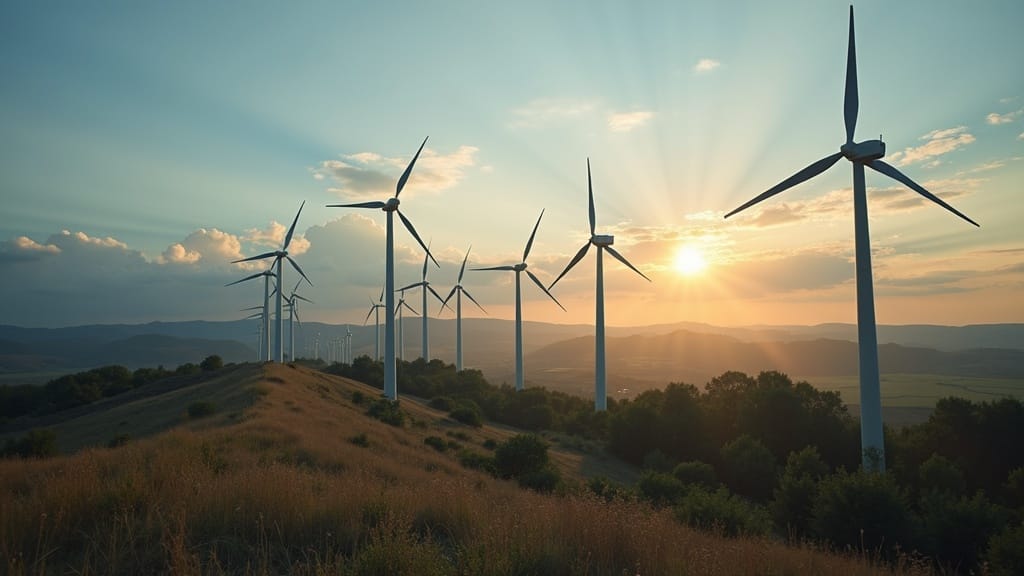
Renewables Beat Natural Gas on US Grid for First Time
Historic milestone marks tipping point in America's clean energy transition
In March 2026, something remarkable happened across the United States: renewable energy sources generated more electricity than natural gas for the first time in history. This isn't a projection or a target — it's a milestone that has already been achieved, marking a definitive shift in how America powers itself.
The data, reported by Canary Media and verified through Ember Energy's US Electricity Data Explorer, shows solar and wind expansion driving this historic achievement. March also set records for wind power output specifically. When combined with nuclear power, emissions-free sources produced more than half of the nation's electricity — another first.
What makes this milestone particularly significant is the context. US electricity demand is growing, driven by data centers, electrification of transport and heating, and economic expansion. Renewables aren't just keeping pace with this growth; they're outpacing fossil fuels. Natural gas, long promoted as the "bridge fuel" to a cleaner future, is now being outcompeted by the very technologies it was supposed to bridge toward.
This achievement represents decades of investment, policy support, and technological advancement coming to fruition. It demonstrates that the clean energy transition isn't a distant possibility — it's happening now, at scale, and faster than many predicted.
Key Facts
- March 2026: First month renewables > natural gas in US electricity generation
- Wind power set new output records in March 2026
- Emissions-free sources (renewables + nuclear) produced >50% of US electricity
- Data source: Ember Energy US Electricity Data Explorer
- Overall US electricity demand continues to grow
Why This Matters
The US energy landscape has transformed dramatically over the past decade. Solar costs have fallen 90% since 2010, while wind has become the cheapest source of new electricity in many parts of the country. The Inflation Reduction Act accelerated this trend with long-term policy certainty and investment incentives. Natural gas had been the dominant fuel source, displacing coal but still producing significant carbon emissions. This milestone suggests the "bridge" phase may be ending sooner than expected.
What We Don't Know Yet
March is typically a strong month for wind and hydro generation, and seasonal variations mean natural gas may reclaim the top spot in summer months when air conditioning demand peaks. The grid still faces challenges with intermittency and storage. Natural gas plants continue to provide crucial grid stability services that renewables are still scaling up to replace. One month does not make a trend — sustained performance over multiple years will be the true test.
Published April 16, 2026 · Category: Environment & Climate