Red Light Therapy Offers Hope for Struggling Bee Populations
Scientists develop world-first red light therapy for bees, helping colonies survive heat, weather, and pesticides amid catastrophic population declines.
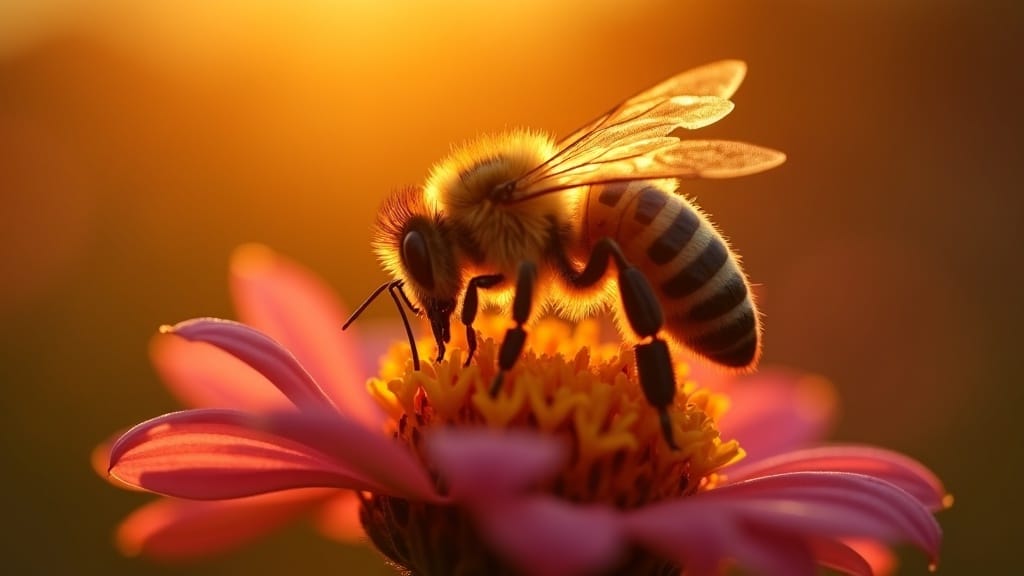
Scientists have developed Onibi Light, a world-first in-hive therapy using red and near-infrared light to help bee colonies survive the multiple stressors threatening their existence. Studies show treated colonies cope better with heat, extreme weather, and pesticides, living longer and pollinating more effectively.
The technology works by stimulating mitochondria in bee cells, boosting cellular efficiency and immunity. It's an elegant, low-tech solution to a critical environmental problem—showing how human innovation can support nature rather than simply exploiting it.
The timing couldn't be more urgent. Nearly 60% of US honeybee colonies were lost last winter, with French beekeepers reporting losses up to 50%. Pollinators are essential for one-third of our food supply—their collapse would trigger an agricultural crisis of unimaginable proportions.
Key Facts
- Nearly 60% of US honeybee colonies lost last winter
- French beekeepers reporting losses up to 50%
- Onibi Light uses red and near-infrared light therapy
- Treated colonies show improved stress resilience and longer lifespan
- Pollinators essential for one-third of global food supply
- Technology developed by Beefutures and University College London
Why This Matters
This represents significant progress in Science & Technology. The implications extend beyond the immediate news to broader systemic improvements that affect millions of people.
What We Don't Know Yet
- Not a silver bullet—doesn't address root causes of bee decline (pesticides, habitat loss)
- Cost and scalability for commercial beekeeping operations unclear
- Effectiveness may vary by region and stressor type
- Requires beekeeper adoption; uptake not guaranteed
- Long-term effects on bee health and behavior not yet fully studied
Published April 18, 2026 · Category: Science & Technology / Environment