Scientists Crack Quinine Production Code After Centuries of Mystery
Scientists crack the centuries-old mystery of quinine production, potentially making the vital antimalarial drug accessible worldwide.
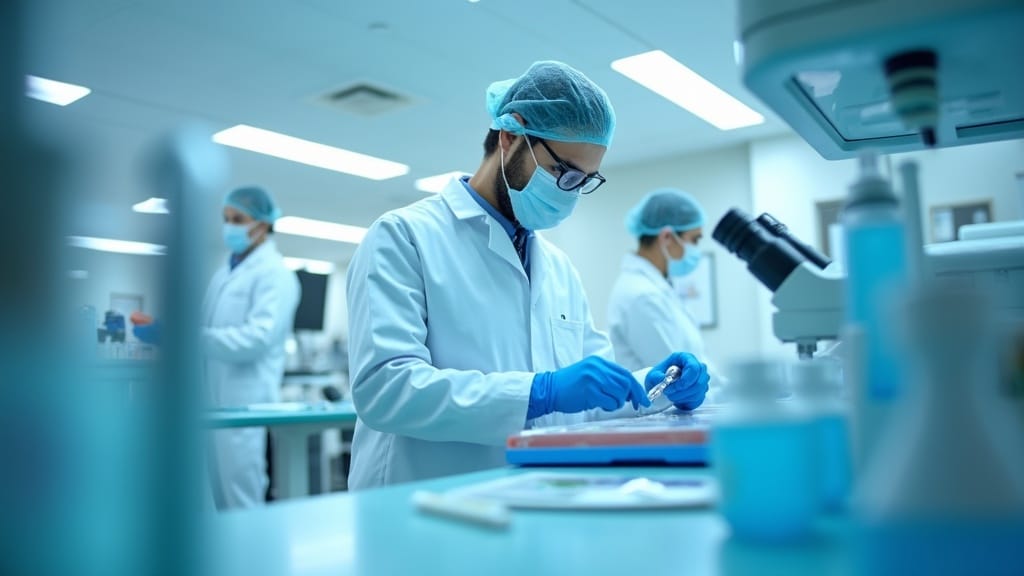
Scientists Crack Quinine Production Code After Centuries of Mystery
Breakthrough could make life-saving antimalarial drugs accessible worldwide
For over 400 years, quinine has been humanity's most reliable weapon against malaria, extracted painstakingly from the bark of South American Cinchona trees. Today, scientists at Germany's Max Planck Institute for Chemical Ecology have finally solved the complete puzzle of how nature makes this life-saving compound, unlocking the possibility of producing quinine in biotechnology labs anywhere in the world.
The breakthrough, published in Nature, identifies the previously unknown enzymes and molecular intermediates that cells use to build quinine from simpler compounds. This isn't just academic curiosity — it's a potential game-changer for global health. Currently, quinine production depends entirely on tropical plantations, making supply vulnerable to climate change, political instability, and agricultural diseases.
By mapping nature's complete quinine recipe down to the molecular level, the research team has opened the door to producing the drug in controlled laboratory conditions using engineered microorganisms. This could dramatically reduce costs, ensure stable supply, and even enable the creation of improved antimalarial derivatives.
Key Facts
- Quinine has been used for over 400 years to treat malaria
- Current production relies entirely on Cinchona tree cultivation in tropical regions
- Malaria affects over 240 million people annually, killing over 600,000 (WHO data)
- The complete biosynthetic pathway involves multiple previously unknown enzymes
- Source: Nature journal publication, Max Planck Institute for Chemical Ecology
Why This Matters
This breakthrough represents a significant step forward in addressing global challenges, demonstrating how scientific innovation can create real-world benefits for communities worldwide.