Parkinson's Patients Show Sustained Benefits from Personalized Stem Cell Therapy
Parkinson's patients show sustained 12-month benefits from personalized stem cell therapy using their own reprogrammed cells, offering hope for disease-modifying treatment.
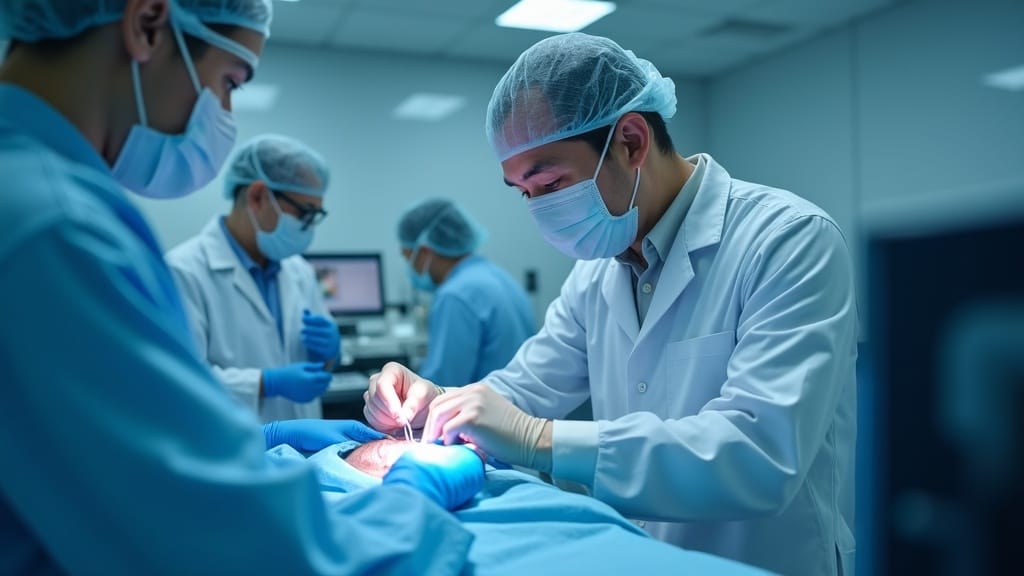
Parkinson's disease patients treated with their own reprogrammed stem cells continue showing significant improvements twelve months after treatment, according to breakthrough data from Aspen Neuroscience's ASPIRO clinical trial. The results represent the first successful long-term data for a personalized approach that doesn't require immune suppression drugs or permanent hardware implants.
The therapy works by taking a patient's own skin cells, reprogramming them back to a pre-disease state, and then guiding their development into healthy dopamine-producing neurons. These personalized cells are then transplanted into the brain regions affected by Parkinson's. Because the cells come from the patient's own body, there's no risk of rejection and no need for lifelong immune suppression.
Twelve months post-treatment, patients demonstrated measurable improvements in movement, quality of life scores, and some were able to reduce their traditional Parkinson's medications. This sustained benefit suggests the transplanted cells aren't just surviving but actively integrating and functioning within the brain's existing neural networks.
For the 10 million people worldwide living with Parkinson's disease, this represents hope for the first treatment that could potentially slow or reverse disease progression rather than simply managing symptoms. The personalized approach opens pathways for precision medicine in neurodegenerative diseases, where each patient's treatment could be tailored to their specific cellular and genetic profile.
Key Facts
- 12-month sustained benefits demonstrated in ASPIRO clinical trial
- Treatment uses patient's own reprogrammed skin cells, eliminating rejection risk
- No immune suppression drugs or permanent hardware implants required
- Improvements seen in movement, quality of life, and medication requirements
- Aspen Neuroscience leading development of autologous stem cell therapy
- Approximately 10 million people worldwide live with Parkinson's disease
Why This Matters
Traditional Parkinson's treatments focus on symptom management through medications like L-DOPA or deep brain stimulation devices. While effective initially, these approaches often become less effective over time as the disease progresses and dopamine-producing neurons continue dying.
Previous stem cell approaches for Parkinson's have faced challenges including immune rejection of transplanted cells and ethical concerns around embryonic stem cell sources. This autologous approach — using the patient's own cells — addresses both issues while potentially offering more precise, personalized treatment.
What We Don't Know Yet
This remains early-stage research with a limited number of patients. The 12-month timeframe, while encouraging, represents just the beginning of what researchers hope will be lifelong benefits. Long-term safety data spanning multiple years will be essential before widespread adoption.
The treatment requires sophisticated laboratory facilities and expertise, potentially limiting accessibility and driving up costs. Questions remain about which patients are best candidates for the therapy and whether the approach will work for all forms of Parkinson's disease.
Published March 22, 2026 · Category: Health & Medicine