Ocean Giants Making a Comeback: North Atlantic Right Whales Show Birth Recovery Signs
In the frigid waters off the southeastern United States, researchers are documenting something they haven't seen in years: more North Atlantic right whale calve
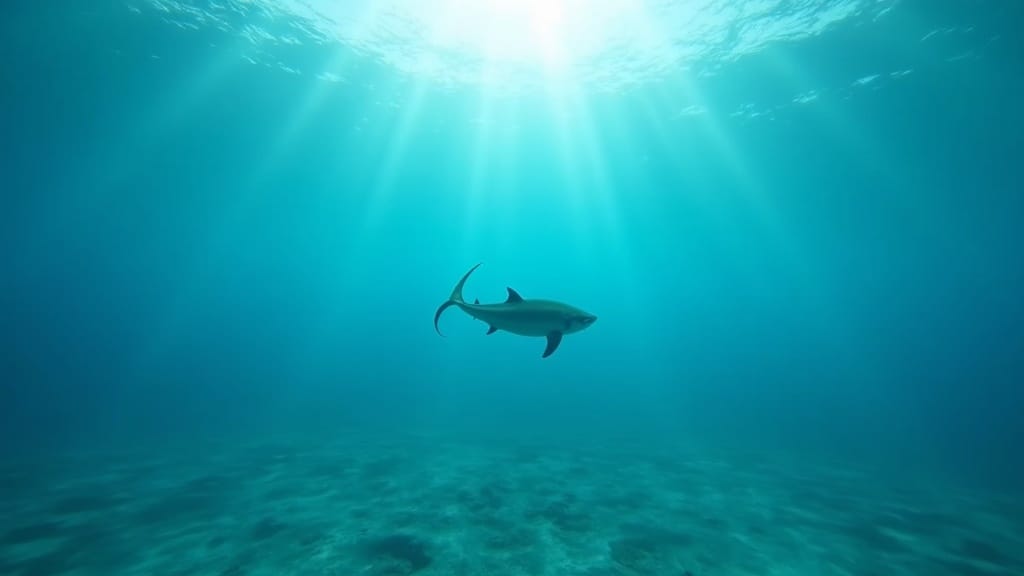
Ocean Giants Making a Comeback: North Atlantic Right Whales Show Birth Recovery Signs
In the frigid waters off the southeastern United States, researchers are documenting something they haven't seen in years: more North Atlantic right whale calves than expected.
For a species teetering on the brink of extinction with only 384 individuals remaining, every birth matters—and this calving season is offering cautious reasons for hope.
The North Atlantic right whale holds the tragic distinction of being one of the world's most endangered large mammals. Named by whalers because they were the "right" whales to hunt—slow-moving, floating when dead, and rich in oil—they never recovered from centuries of commercial whaling. Modern threats from ship strikes and fishing gear entanglement have kept populations critically low even as other whale species have rebounded.
What makes this season's increased births particularly encouraging is that it suggests recent conservation measures may be working. Shipping lane modifications to reduce vessel strikes, seasonal fishing restrictions in calving areas, and rope-less fishing gear development have all aimed to give these gentle giants breathing room to reproduce.
Each calf represents not just a new individual but genetic diversity that could help the species survive future challenges. With such a small population, every birth contributes to the genetic resilience needed for long-term survival.
Yet scientists remain cautiously optimistic. Right whale reproduction is naturally slow—females don't reach maturity until age 10 and typically give birth only every 3-6 years. Recovery, if it comes, will take decades of sustained conservation effort and continued protection from human-caused mortality.
Key Facts
- Only 384 North Atlantic right whales remain worldwide
- More calves documented this season than in recent years
- Species classified as critically endangered
- Females reach maturity at age 10, reproduce every 3-6 years
- Main threats include ship strikes and fishing gear entanglement
Why This Matters
North Atlantic right whales once numbered in the thousands before commercial whaling nearly drove them extinct. The population reached a low of fewer than 300 individuals in the 1990s and has struggled to recover despite being protected since 1935.
The species faces unique challenges compared to other recovering whale populations. Their feeding, breeding, and migration routes overlap heavily with busy shipping lanes and fishing grounds along the heavily populated U.S. East Coast. This creates ongoing conservation conflicts between economic activities and species protection.
What We Don't Know Yet
Increased births this season don't guarantee population recovery—mortality from ship strikes and entanglement continues to threaten gains. Climate change is altering the distribution of their primary food source (small crustaceans), potentially forcing whales into new areas with different threats.
The population remains so small that it's vulnerable to catastrophic events, disease outbreaks, or genetic bottlenecks that could reverse any recovery progress.