New Zealand's Critically Endangered Bird Makes Conservation Breakthrough
Sanctuary eggs offer genetic lifeline for world's rarest parakeet
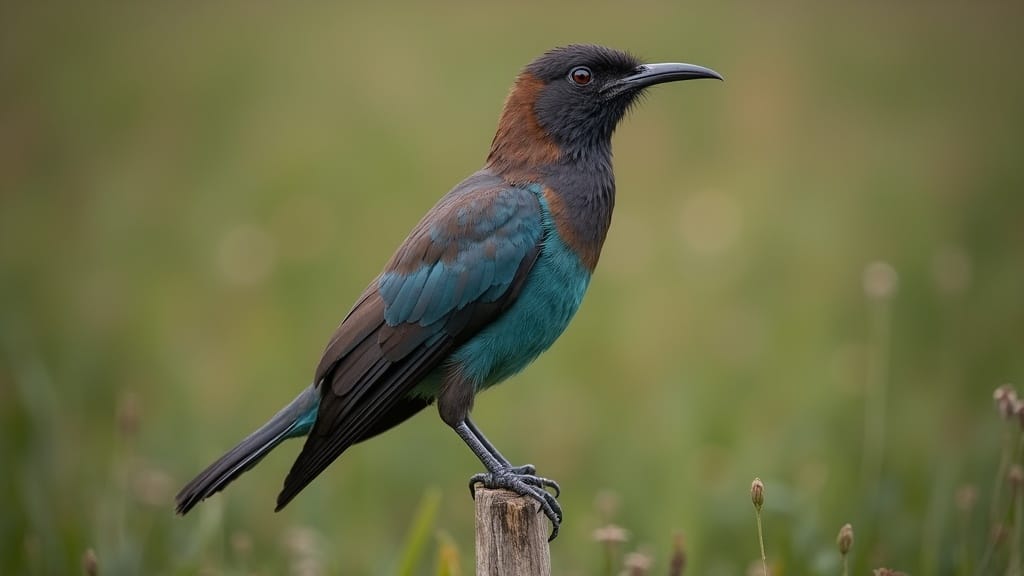
Five precious kākāriki karaka eggs have been successfully harvested from Brook Waimārama Sanctuary and transferred to a Christchurch breeding facility, marking the first successful egg collection from the sanctuary population of New Zealand's rarest parakeet. With only 100-120 birds remaining in two wild populations, every egg represents hope for preventing extinction of the orange-fronted parakeet.
This breakthrough demonstrates how conservation sanctuaries can evolve from refuges into active sources for species recovery. Since translocation began in 2021, the sanctuary population has doubled, creating enough genetic diversity and breeding success to safely harvest eggs for the broader recovery program.
The collaborative effort involves multiple conservation organizations working together to maximize genetic diversity and prevent inbreeding in this critically endangered species. The eggs will be artificially incubated and hand-reared, with successful fledglings eventually contributing to both captive breeding programs and potential future wild releases.
What makes this particularly significant is that kākāriki karaka represents one of New Zealand's most endangered endemic species, surviving only in Arthur's Pass National Park and the Hawdon Valley. The sanctuary program offers the first realistic path toward population recovery in decades.
Key Facts
- Only 50-60 birds in each of two remaining wild populations
- Sanctuary population doubled since 2021 translocation program began
- First successful egg harvest from sanctuary breeding population
- Five eggs transferred to Christchurch breeding facility
- Species confined to Arthur's Pass National Park and Hawdon Valley
Why This Matters
New Zealand's endemic bird species face severe extinction pressure from introduced predators, habitat loss, and climate change. The country has lost numerous endemic species since human settlement, making conservation of remaining species a national priority.
Kākāriki karaka disappeared from most of their historical range due to introduced mammals including stoats, rats, and possums. The species requires beech forest habitat and specific climate conditions, making them particularly vulnerable to environmental changes.
Sanctuary-based conservation represents a growing trend in New Zealand's approach to endemic species protection, creating predator-free islands where native species can recover before potential reintroduction to restored wild habitats.
What We Don't Know Yet
Captive breeding programs face ongoing challenges including genetic bottlenecks, behavioral adaptation to captivity, and high costs for long-term maintenance. The small founding population limits genetic diversity available for recovery. Climate change threatens the specialized beech forest habitat these birds require. Success depends on continued funding and political support for conservation programs.