New IVF Method Retrieves Hidden Eggs, Boosting Success Rates
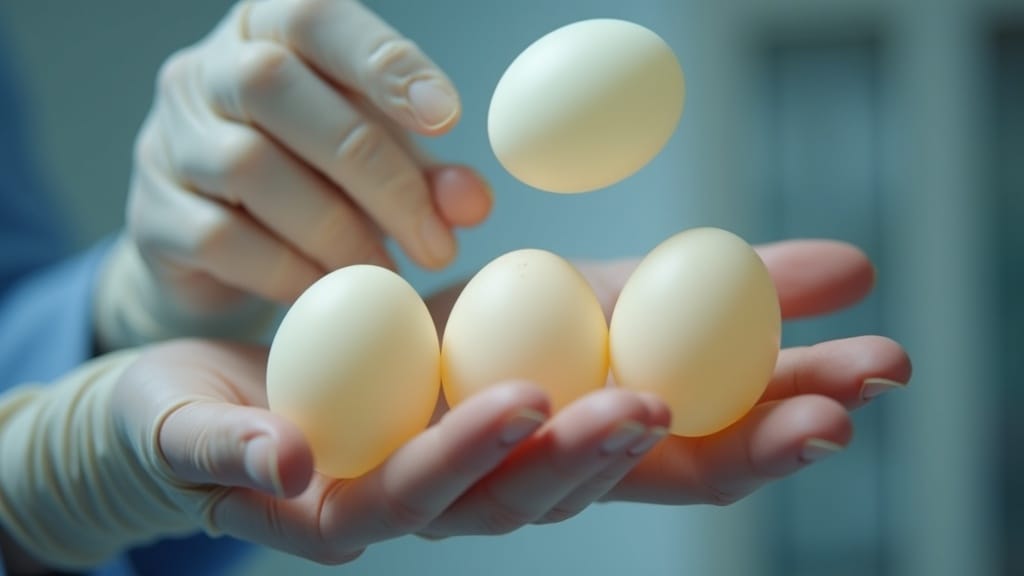
Scientists have developed an automated method to retrieve additional viable eggs from fluid that would normally be discarded during IVF procedures, potentially improving success rates for couples struggling with infertility. Testing at four US clinics found extra eggs in over 50% of patients, maximizing the reproductive potential of each procedure.
The breakthrough addresses a hidden inefficiency in current IVF practices. During egg retrieval, doctors collect follicular fluid containing eggs, but some viable eggs get overlooked in the fluid that's typically discarded. The new automated system systematically searches this fluid using advanced imaging and identification techniques, recovering eggs that would otherwise be lost.
For couples undergoing IVF, this innovation could significantly reduce the emotional and financial burden of treatment. Each IVF cycle costs thousands of dollars and involves weeks of hormone treatments, medical monitoring, and psychological stress. By maximizing egg retrieval from each procedure, couples may need fewer cycles to achieve pregnancy, reducing both costs and physical demands.
The technique is particularly valuable for women with lower ovarian reserves who produce fewer eggs naturally. For these patients, recovering even one additional viable egg per cycle could make the difference between treatment success and failure. The automation also reduces human error in egg identification, ensuring more consistent results across different clinics and technicians.
Early testing shows the method integrates smoothly into existing IVF workflows without extending procedure times or requiring major equipment changes. This suggests rapid adoption could be possible once the technique receives regulatory approval and training protocols are established.
Key Facts & Figures
- Success rate: Extra viable eggs found in over 50% of patients
- Testing locations: Four US fertility clinics
- Method: Automated search of normally discarded follicular fluid
- Impact: Potentially fewer IVF cycles needed per successful pregnancy
- Integration: Compatible with existing IVF procedures
Context & Background
IVF success rates have improved significantly over the past decade, but remain challenging for many couples, particularly those where the woman is older or has diminished ovarian reserve. Current practices focus on stimulating ovaries to produce multiple eggs, then retrieving as many as possible during a single procedure.
However, egg retrieval has always involved some degree of loss—not every egg produced gets successfully collected, and not every collected egg is viable for fertilization. This new technique represents a refinement that squeezes additional value from existing procedures rather than requiring entirely new approaches.
Limitations & Caveats
Testing involved only four clinics, so broader validation across diverse patient populations and clinic types is needed before widespread implementation. We don't yet know how the technique performs across different age groups, infertility diagnoses, or stimulation protocols.
The improvement in egg recovery doesn't necessarily translate directly to increased pregnancy rates—additional eggs still need to fertilize successfully and develop into viable embryos. Cost-effectiveness analysis hasn't been completed, so it's unclear whether the benefits justify additional equipment and training expenses.
Regulatory approval timelines remain uncertain, potentially delaying patient access to the technique even after validation studies confirm effectiveness.
Sources
- Research team developing the technique — technical details and development timeline
- IVF clinic directors — practical implementation perspectives
- Fertility patients and advocacy groups — patient impact and access concerns