Sap, on Their Terms
The Mi'kmaq Nation and USDA signed a $108,000, five-year deal to make tribal maple syrup production more efficient. It is the first such agreement in Maine. The sap house is not rebuilt yet.
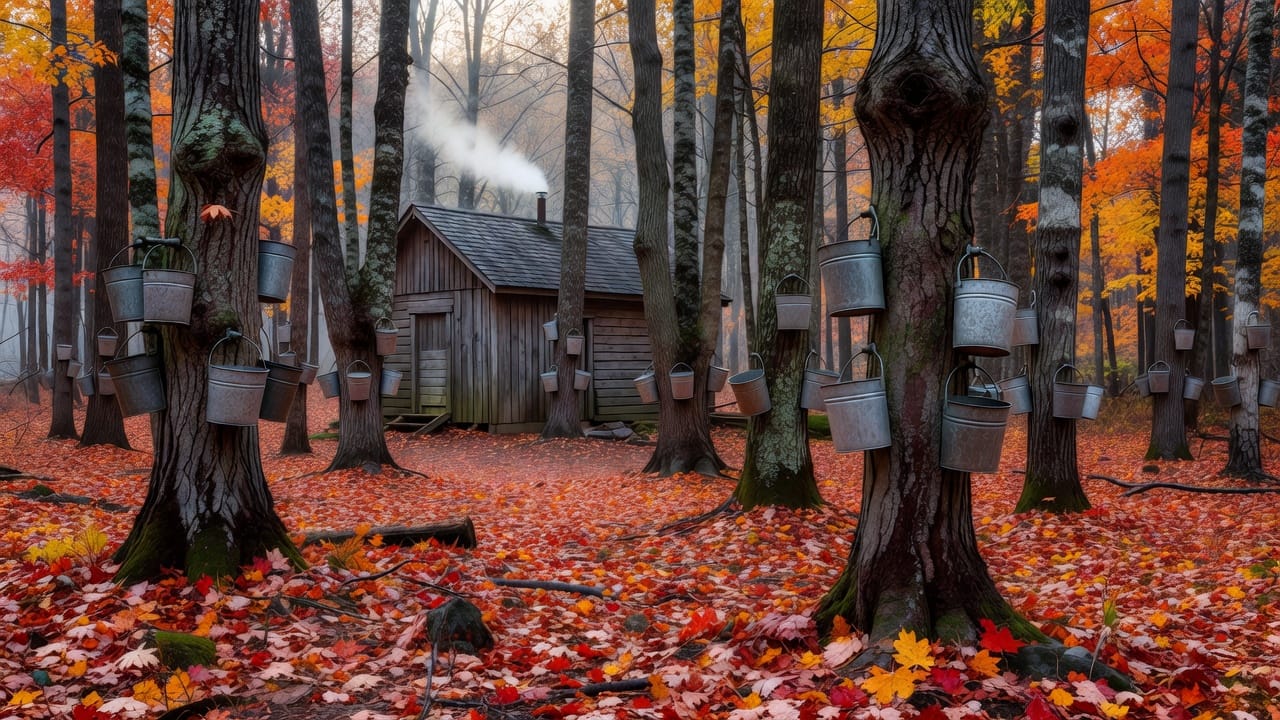
Maine's Mi'kmaq Nation signed a conservation deal that pays them to boil sap their own way.
On 30 September, at the Mi'kmaq Nation headquarters in Presque Isle, the tribe and the US Department of Agriculture's Natural Resources Conservation Service signed an Alternative Funding Arrangement for $108,000. NRCS announced it on 16 October and called it the first of its kind in Maine.
The money runs five years. It pays for more efficient equipment to boil maple sap, for managing the maple stands so they produce more, and for better access to the tribal land where the sap is collected and hauled. The practices also take in plant productivity and water quality on the sugarbush.
Chief McCormack said the nation has worked with NRCS for years to grow a farm that supports its food sovereignty program, and that the older grants did not move at a tribe's speed. This one pays sooner. The project, he said, will let them collect and process sap more efficiently than they have been doing it.
It is not a land return. It is not a new forest. It is a signature, a dollar figure, and a five-year clock on a practice the nation already runs.
Key Facts
- $108,000 Alternative Funding Arrangement under the Environmental Quality Incentives Program
- Signed 30 September 2026, Presque Isle, Maine; announced 16 October 2026
- First such agreement with a tribal nation in Maine, according to NRCS and Chief McCormack
- Five years: sap-boiling energy efficiency, maple-stand productivity, collection access
- Reported by Thomas Kielbasa, NRCS Maine
Why This Matters
Food-sovereignty stories are usually a strategy document. This one has a counterparty, an amount, and a start date. The useful part for any other tribal conservation office is the funding shape: pay the nation directly, on a timeline that fits a sugarbush, for work it already knows how to do.
What We Don't Know Yet
Whether the new boiler is installed. The announcement is the agreement, not a season of syrup. $108,000 will not remake a regional food system. We have not seen the work plan, only the release.