Microsoft Matches 100% of Its Electricity with Renewable Energy
Microsoft matches 100% of its electricity with renewable energy, hitting a key sustainability goal even as AI drives surging demand.
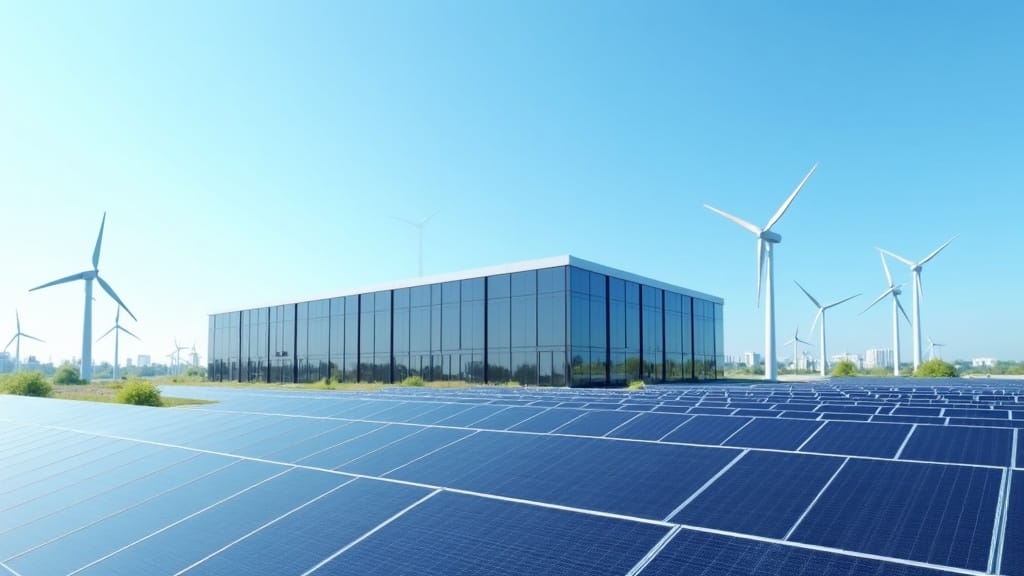
Microsoft has announced it has matched 100% of its annual global electricity consumption with renewable energy — achieving a sustainability goal it set in 2020.
The milestone is part of the company's broader ambition to become carbon negative by 2030. But it arrives at a particularly interesting moment: Microsoft's energy demand is projected to surge due to the rapid expansion of AI-focused data centres.
That tension — between growing energy needs and climate commitments — makes this achievement both significant and complicated. Microsoft is proving that massive-scale renewable energy matching is achievable, even for one of the world's most energy-intensive tech companies. But "matching" means purchasing renewable energy credits and power purchase agreements equivalent to total consumption, not that every electron flowing into its facilities comes from a wind farm or solar panel.
Key Facts
- 100% annual electricity matched with renewable energy (Microsoft Blog)
- Goal set in 2020, achieved in 2025
- Part of broader commitment to be carbon negative by 2030
- Achieved despite rapid expansion of AI data centres (ESG Today)
Why This Matters
As the AI boom drives unprecedented demand for computing power — and the electricity to run it — the question of whether Big Tech can grow and go green at the same time is increasingly urgent. Microsoft's milestone suggests the answer is yes, at least on the electricity front.
The company's portfolio of renewable energy contracts also drives investment in new wind and solar projects worldwide, accelerating the broader energy transition.
What We Don't Know Yet
Microsoft's total carbon emissions have actually increased due to the embodied carbon in data centre construction. The "matching" methodology, while industry-standard, has drawn scrutiny from analysts who argue it overstates the real-world impact. True 24/7 carbon-free energy — matching every hour of the day, not just annually — remains a much harder challenge that no major tech company has yet fully achieved.
Sources: Microsoft Blog · ESG Today
Published 2026-02-20 · Category: Environment & Climate