Major Cities Slash Air Pollution by Up to 40% in 15 Years
A comprehensive new study has identified 19 major metropolitan areas that successfully reduced air pollution by 20-40% over just 15 years, proving that dramatic improvements in urban air quality are a...
Major Cities Slash Air Pollution by Up to 40% in 15 Years
A comprehensive new study has identified 19 major metropolitan areas that successfully reduced air pollution by 20-40% over just 15 years, proving that dramatic improvements in urban air quality are achievable even during periods of rapid economic development. The findings, published in the Breathe Cities report, offer hope and a tested blueprint for the thousands of cities worldwide still struggling with dangerous pollution levels.
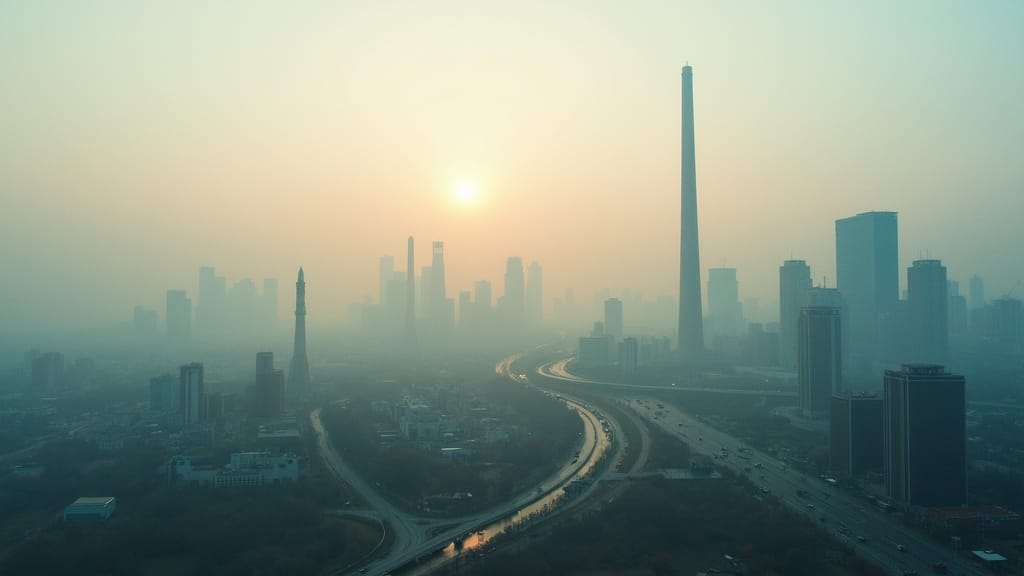
Nearly half of the successful cities were located in Asia—a particularly encouraging finding given the region's rapid industrialization and urbanization. Beijing, despite its notorious smog reputation, emerged as one of the success stories, alongside London, Paris, and 16 other metropolitan areas that managed to decouple economic growth from deteriorating air quality.
The study identified three key strategies that consistently delivered results: comprehensive cycling infrastructure that reduced car dependency, well-designed clean air zones that restricted the most polluting vehicles, and aggressive adoption of electric vehicles supported by charging networks and incentives.
What makes these results particularly significant is the speed of change—15 years is remarkably fast for such dramatic environmental improvements. The cities didn't wait for perfect technology or international agreements; they implemented available solutions at scale and saw immediate health benefits for millions of residents.
The health implications are profound. Air pollution contributes to 7 million premature deaths annually worldwide, making these urban success stories potential lifesavers on a massive scale. Cities that achieved 30-40% reductions likely prevented thousands of cases of childhood asthma, heart disease, and premature deaths.