Large Tortoiseshell Butterfly Returns to Britain After Extinction Declaration
h1Large Tortoiseshell Butterfly Returns to Britain After Extinction Declaration/h1 Frequent sightings across southern England signal potential breeding populati
Large Tortoiseshell Butterfly Returns to Britain After Extinction Declaration
Frequent sightings across southern England signal potential breeding population recovery
The large tortoiseshell butterfly, once declared extinct in Britain, is making a remarkable comeback across southern England. Frequent sightings suggest the species is re-establishing itself as a stable breeding population, representing a significant conservation success story that demonstrates how species can recover from the brink of extinction.
This recovery is particularly noteworthy because butterfly extinctions have been increasingly common as habitat loss and climate change pressure insect populations worldwide. The large tortoiseshell's return offers hope that targeted conservation efforts and habitat restoration can reverse even seemingly permanent species losses.
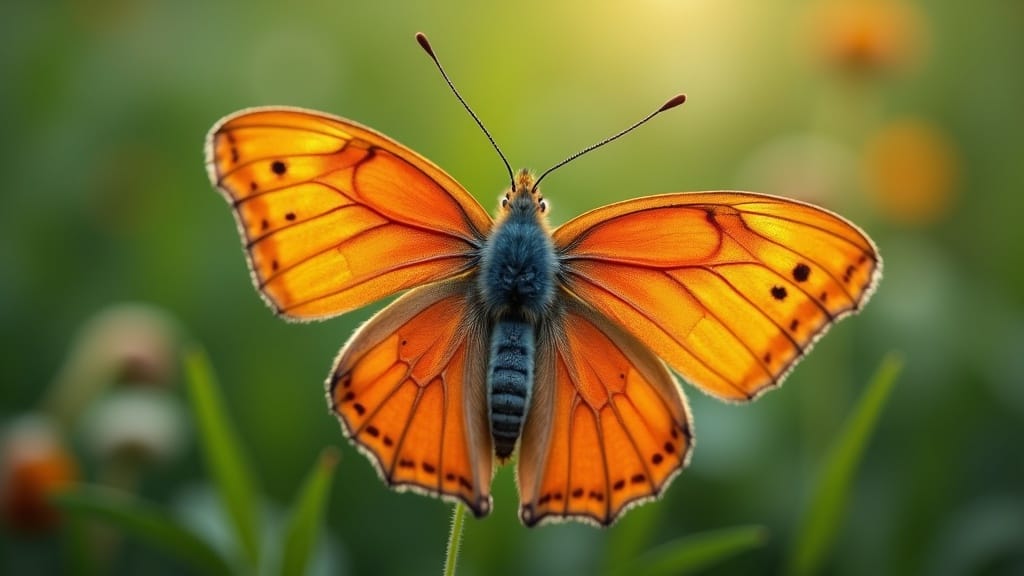
The butterfly, with its distinctive orange and black wing patterns, was historically found across Britain but disappeared from most regions due to habitat destruction and changing land use practices. Its recovery suggests that either conservation efforts have created suitable conditions for recolonisation or that climate changes may have made British habitats more suitable for the species.
Butterfly conservation groups are carefully monitoring the sightings to confirm breeding activity and assess the stability of emerging populations. The species' return highlights the importance of maintaining diverse habitats and the potential for wildlife recovery when conditions improve.
Key Facts
- Previously declared extinct in Britain
- Frequent sightings now reported across southern England
- Evidence suggests stable breeding population developing
- Distinctive orange and black wing patterns
- Source: British butterfly conservation monitoring groups