Lab-Grown Human Spinal Cord Shows Nerve Regrowth After Simulated Injury
Northwestern University scientists grow a human spinal cord in the lab, simulate injury, and demonstrate nerve regrowth using 'dancing molecules' therapy.
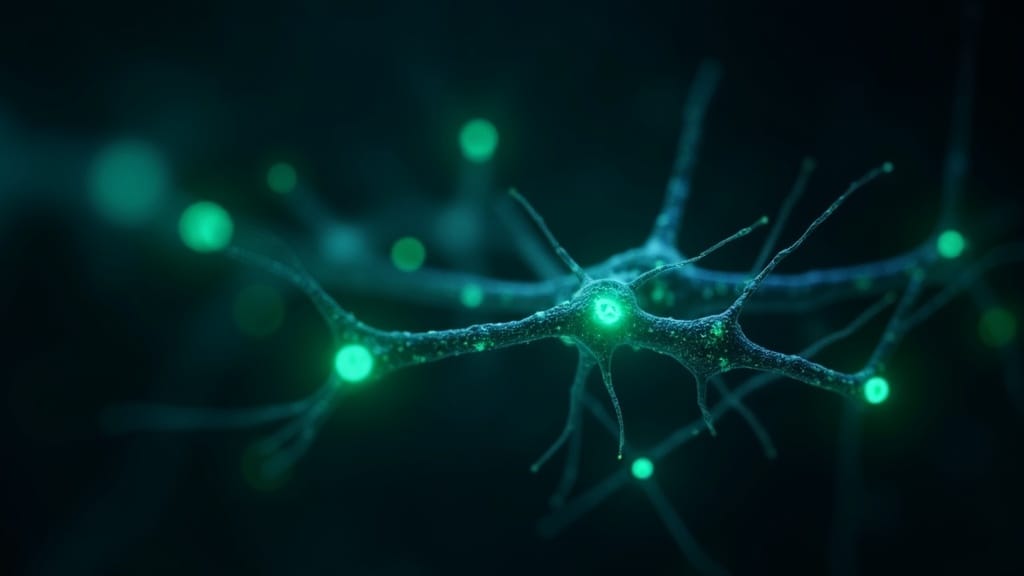
Scientists at Northwestern University have created the most advanced lab-grown human spinal cord to date — and used it to demonstrate something that has eluded medicine for decades: nerve regrowth after traumatic injury.
The organoid model faithfully reproduces the cascade of damage seen in real spinal cord injuries: cell death, inflammation, and the formation of glial scarring that blocks nerve regeneration. It is, in effect, a miniature human spinal cord in a dish — one that can be injured and treated without a single animal or human patient.
When the damaged organoid was treated with "dancing molecules" — a therapy developed at Northwestern by Professor Samuel Stupp that has already received FDA Orphan Drug Designation — the tissue showed substantial nerve fibre regrowth and reduced scarring.
The molecules are remarkable pieces of bioengineering. Designed to move and interact with cell receptors in ways that static therapies cannot, they mimic the dynamic signalling of healthy tissue. When applied to the injured organoid, the liquid therapy gels into a scaffold that supports and encourages nerve fibre extension across the injury gap.
The breakthrough is twofold. First, the organoid itself represents a human-specific testing platform that could dramatically reduce reliance on animal models. This matters because rodent and human spinal cord biology differ significantly — a gap that has contributed to decades of promising animal results failing to translate to human patients.
Second, the therapeutic result provides evidence that the dancing molecules approach works in human tissue, not just in mice. In 2021, Stupp's team demonstrated that the molecules could reverse paralysis in mice with severe spinal cord injuries. The leap to human organoid validation is the critical bridge between those animal results and future clinical trials.
Spinal cord injuries affect an estimated 250,000 to 500,000 people every year worldwide, according to the World Health Organisation. There is currently no treatment that can restore lost function. Patients face lifelong paralysis, with cascading effects on independence, mental health, and life expectancy.
The economics of spinal cord injury are equally stark. Lifetime care costs for a person injured at age 25 can exceed $5 million. Any therapy that could restore even partial function would transform millions of lives and generate enormous savings for healthcare systems.
Key Facts
- Most sophisticated lab-grown human spinal cord model ever created
- Organoid reproduces cell death, inflammation, and glial scarring from traumatic injury
- "Dancing molecules" therapy holds FDA Orphan Drug Designation
- Treatment produced substantial nerve regrowth and reduced scarring in the model
- 250,000–500,000 new spinal cord injuries occur globally each year (WHO)
Why This Matters
For the 250,000 people who sustain spinal cord injuries every year, and the millions already living with paralysis, this work represents two kinds of hope.
The organoid model means that potential therapies can now be tested on human-relevant tissue quickly and cheaply, compressing a research pipeline that has historically taken decades. The dancing molecules therapy provides a specific, advanced candidate that has now shown efficacy in both animal models and human tissue.
Neither is a cure today. But together, they represent the most credible pathway to regenerative spinal cord therapy that the field has produced.
What We Don't Know Yet
Organoids are simplified models. They lack blood supply, immune system complexity, and the full three-dimensional architecture of a living spinal cord. Nerve regrowth in a dish does not guarantee functional recovery in a living patient — the gap between the two is enormous.
Clinical trials in humans have not yet begun for this specific application. The pathway from organoid results to an approved therapy typically takes five to ten years, and many promising laboratory findings never make it through.
The study has not yet been independently replicated by other research groups. While the Northwestern team's track record is strong, independent validation is a cornerstone of scientific confidence.
Sources: Northwestern University · ScienceDaily
Published 21 February 2026 · Category: Health & Medicine