Koalas' DNA Bouncing Back After Population Crash
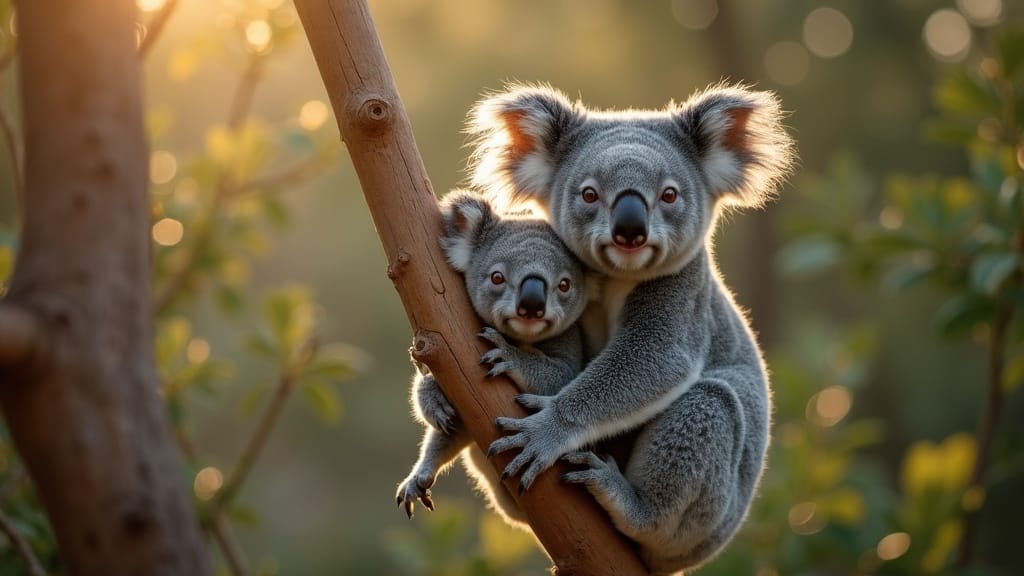
Koalas are showing remarkable genetic resilience following catastrophic population declines that left conservationists worried about inbreeding and species survival. New genomic research reveals that despite suffering a massive population crash that reduced genetic diversity to dangerous levels, koala populations are beginning to recover their genetic health as overall numbers rebound.
This discovery challenges assumptions about genetic recovery in endangered species. Conventional wisdom suggested that once a population lost genetic diversity, recovery would take generations or might not occur at all. The koala research demonstrates that with proper habitat protection and population management, wildlife can begin rebuilding genetic resilience faster than expected. The findings offer hope for conservation programs worldwide. Many endangered species face similar genetic bottlenecks, where small population sizes lead to reduced genetic diversity and increased vulnerability to disease and environmental changes. Koalas' apparent ability to restore genetic health provides a roadmap for other species recovery efforts.
Key Facts
- Genomic research shows genetic recovery signs in rebounding koala populations
- Koala populations declined by ~30% between 2018-2020 due to bushfires and drought
- Genetic diversity loss can increase extinction risk by 10x in small populations
- Australia invested $50+ million in koala habitat protection since 2019
- Estimated 200,000-300,000 koalas remain in wild (significant uncertainty in counts)
Why This Matters
These findings contribute to our growing understanding of solutions that could have meaningful impact in the years ahead.
What We Don't Know Yet
As with any emerging development, important questions remain about long-term effectiveness, broader applicability, and optimal implementation approaches. Continued research and real-world testing will provide clearer insights into the full potential and limitations.