Chinook Have Recolonised 345 Kilometres of the Klamath
After four Klamath dams came out, sonar counted 13,310 Chinook upstream in 2025. They have recolonised 345 kilometres. The river is not restored.
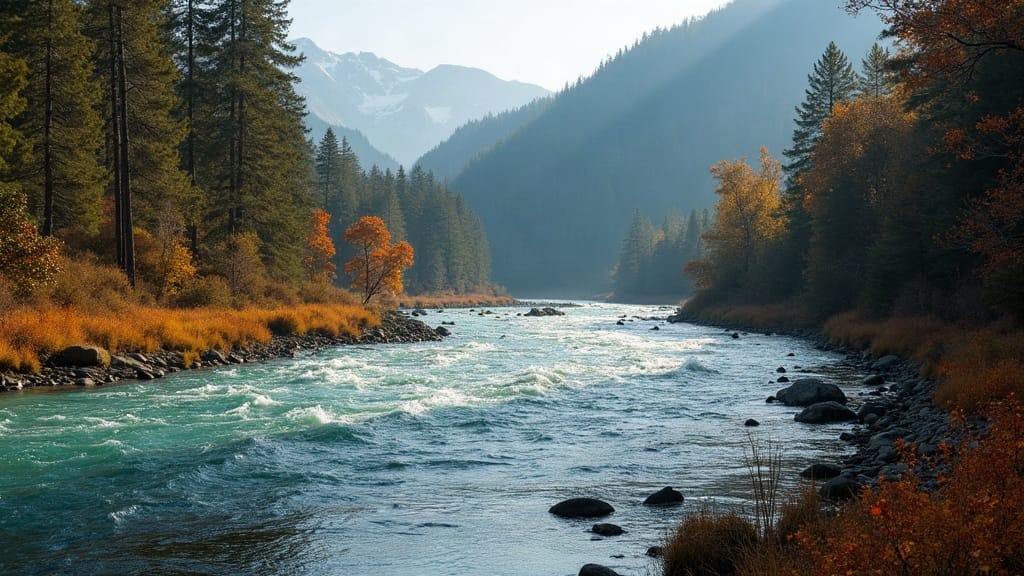
Sonar at the old Iron Gate site counted 13,310 fish in 2025, up from 7,742 in 2024
Four hydroelectric dams came out of the Klamath River in 2024, the largest dam-removal project completed to date. The river was too muddy for underwater video, so researchers counted adult Chinook with sonar near the former Iron Gate dam. Reports published on 13 October 2026, describing a Scientific Reports paper led by Damon Goodman, say an estimated 7,742 Chinook passed upstream in the 2024 season and 13,310 in 2025.
Within two years the fish recolonised 345 kilometres of reconnected habitat, about 88 percent of their documented historical distribution, at elevations up to 1,250 metres. The dams had kept them out for roughly a century, a period when the basin's Chinook runs fell by about 90 percent. The 2024 removal reconnected more than 640 kilometres of anadromous habitat across southern Oregon and northern California. The fish that passed the old dam sites were 18 to 19 percent of all Chinook returning to the basin in the study period.
Goodman has cautioned that a full recovery takes successful spawning across multiple generations, plus work on habitat, water quality and passage. A University of British Columbia salmon ecologist who was not on the paper told the New York Times the pace stands out. That is a comment on speed, not a certificate of recovery.
A separate California Department of Fish and Wildlife update on 12 October, covering tributary counting stations, is a different dataset. It is not folded into these sonar totals.
Key Facts
- Study reports circulating 13 October 2026; journal named as Scientific Reports
- Sonar counts past the former Iron Gate site: 7,742 Chinook in 2024, 13,310 in 2025
- 345 kilometres recolonised; 88 percent of documented historical distribution
- Dams removed: 2024; blockage lasted about a century
- Sources: Active NorCal and Adventure Diaries, both describing the Goodman study
Why This Matters
Dam removal is usually argued in the future tense. This is a second spawning season with a count. The limit is the same sentence as the number: two years is a start.
What We Don't Know Yet
We are citing two independent write-ups of the paper, not the journal PDF itself. Treat the counts as reported estimates from sonar, which is the right tool in turbid water and still an estimate. Tributary video counts from CDFW are not this study. No one should hear "88 percent" as "the run is back to its historic size." It means the fish have reached most of the old map.