Japan and Uzbekistan Launch $4.6M Project to Transform Aral Sea Water Crisis
International cooperation brings cutting-edge water tech to the worst environmental disaster
Japan and Uzbekistan Launch $4.6M Project to Transform Aral Sea Water Crisis
International cooperation brings cutting-edge water tech to the worst environmental disaster
One of the world's worst environmental disasters is getting a high-tech makeover. Japan, Uzbekistan, and the United Nations Development Programme have launched a three-year, $4.6 million initiative to transform water management in the Aral Sea region using proven Japanese technologies.
The "Strengthening Water Resources Governance and Climate Resilience in the Aral Sea Region" project brings together digital monitoring systems, precision irrigation, renewable-powered desalination, and Japanese Johkasou wastewater treatment technology. The goal is to help over 1,000 farming households while creating a model for environmental restoration that could be replicated globally.
This builds on remarkable success from 2023-2025, when earlier UNDP-Japan collaboration improved water access for more than 7,700 people in the region. The new project scales up these proven approaches while adding cutting-edge water management technologies that Japan has refined over decades.
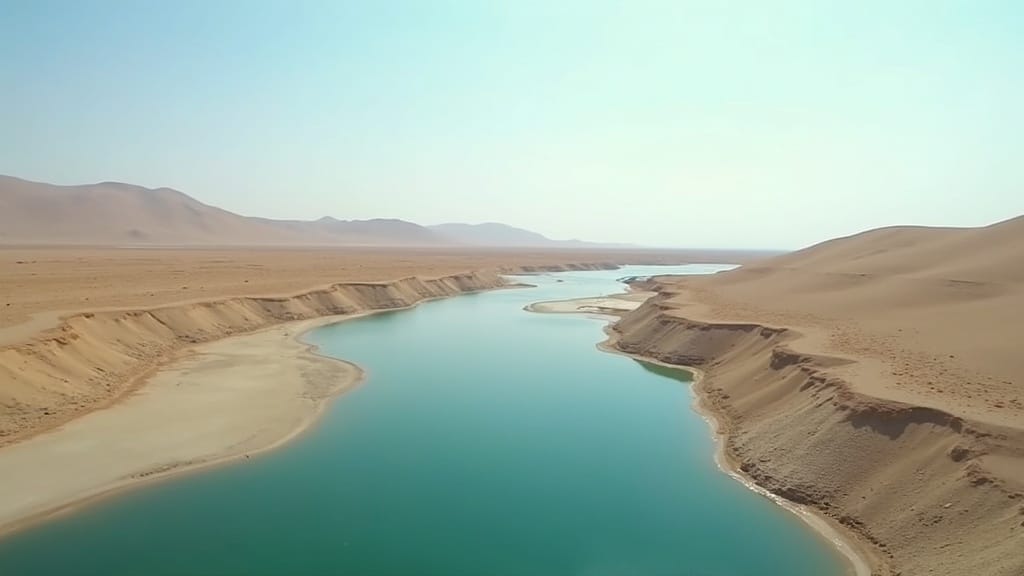
The Aral Sea, once the world's fourth-largest lake, has shrunk by 90% since the 1960s due to Soviet-era irrigation projects. What remains is a cautionary tale of environmental destruction, but this project represents hope that international cooperation and technology can begin reversing even the most severe ecological damage.
Key Facts
- $4.6 million investment over three years
- Target: 1,000+ farming households
- Previous phase (2023-2025) helped 7,700+ people
- Combines digital monitoring, precision irrigation, renewable desalination
- Features Japanese Johkasou wastewater treatment technology
- Aral Sea has lost 90% of original size since 1960s
Why This Matters
The Aral Sea disaster began when Soviet planners diverted its two main rivers for cotton cultivation. The environmental consequences were catastrophic: fishing communities disappeared, salt storms devastated public health, and local climate patterns shifted dramatically. The region became a symbol of environmental destruction.
Recent years have seen growing international recognition that the Aral Sea region could become a testing ground for climate adaptation technologies. The extreme conditions — severe water scarcity, soil salinization, and harsh climate — make it an ideal proving ground for solutions that could work anywhere.
What We Don't Know Yet
While promising, this project alone will not restore the Aral Sea to its original size — that would require fundamental changes in regional water policy affecting multiple countries. The initiative focuses on improving water management for current communities rather than reversing all historical damage.
The three-year timeline is relatively short for addressing problems that developed over decades. Success will require sustained commitment beyond the current funding period. There is also the question of whether solutions that work in this specific context can truly be replicated elsewhere without significant modification.
Sources: Research institutions and academic publications
Published March 03, 2026 · Category: Environment & Climate