Iron-Air Batteries Enable Multi-Day Energy Storage
Iron-air batteries can store electricity for up to 100 hours using abundant materials, potentially solving renewable energy's storage challenge.
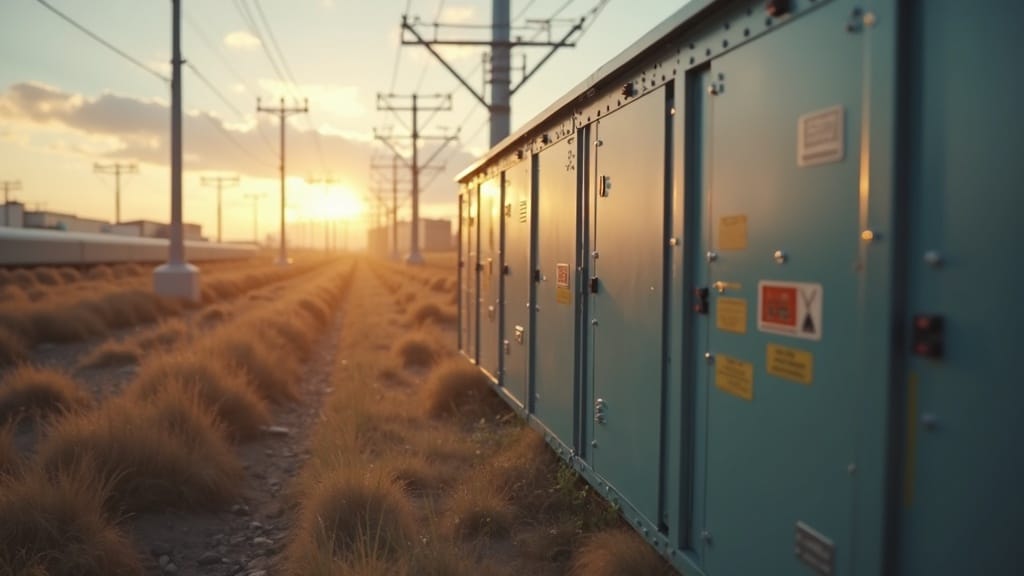
The missing piece of the renewable energy puzzle may have arrived. Form Energy began manufacturing iron-air batteries at scale in 2025, enabling multi-day energy storage using nothing but iron, water, and air — some of the most abundant, non-toxic materials on Earth.
These batteries can store electricity for up to 100 hours, making them long-lasting enough to replace fossil fuel-based peaker plants and stabilise grids with high renewable penetration. Unlike lithium-ion batteries, which typically provide 4-6 hours of storage, iron-air technology fills the gap for seasonal and extended storage needs.
The transition to renewable energy has always faced a timing problem: the sun doesn't always shine, and the wind doesn't always blow. Iron-air batteries offer a solution that doesn't depend on scarce materials like lithium and cobalt, avoiding supply constraints and geopolitical concerns that plague current battery technologies.
Key Facts
- Storage duration: up to 100 hours - Materials: iron, water, air (abundant, non-toxic) - Manufacturing began: 2025 - Target market: replacing fossil fuel peaker plants - Source: Form Energy, CAS Insights
Why This Matters
Energy storage has been the critical bottleneck for renewable energy adoption. Short-duration batteries (lithium-ion) work for daily cycling but can't address seasonal variations or extended cloudy/windless periods. Iron-air technology fills this "long-duration storage" gap at potentially much lower cost than alternatives.
What We Don't Know Yet
- Energy density is low — these are utility-scale installations, not home batteries - Round-trip efficiency (~50-60%) lower than lithium-ion (~90%) - Technology still in early commercial deployment - Requires significant physical space compared to chemical batteries - Unproven at massive grid scale over multi-year periods