Ireland Becomes First Country to Make Basic Income for Artists Permanent
Ireland becomes the first country to make a basic income for artists permanent, after a pilot generated €100m in benefits from €25m invested.
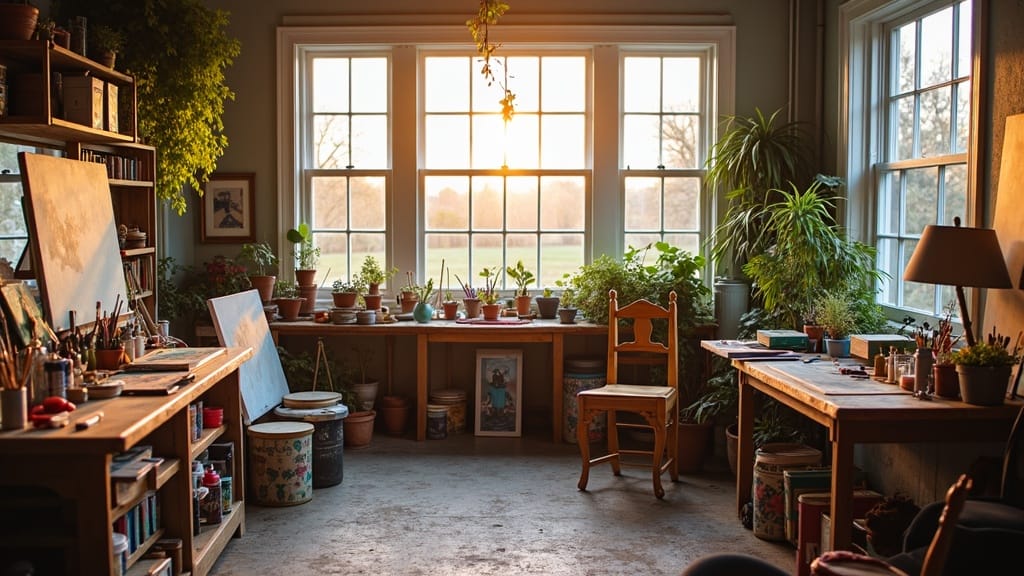
Ireland has taken a step no other country has dared: making a basic income scheme for artists permanent. The programme, launched as a pandemic-era pilot in 2022, offered 2,000 randomly selected creative workers a weekly stipend of €325 (£283) with no strings attached.
The results silenced sceptics. An independent study found the scheme generated over €100 million in social and economic benefits against its €25 million cost — a 4:1 return. Artists reported working full-time in their disciplines for the first time, hiring collaborators, and contributing more to local economies.
Applications for the next cycle open in May 2026, with payments running September 2026 to September 2029. Participants will again be randomly selected, removing the gatekeeping that typically plagues arts funding.
For Elinor O'Donovan, an artist accepted onto the original pilot, the scheme changed everything. "Before, I was working part-time as a receptionist just to afford my rent. Now I work full-time as an artist. It's given me the flexibility the job requires and allowed me to take risks."
Key Facts
- €325/week paid to 2,000 artists — no conditions attached
- €25m cost generated €100m+ in social and economic benefits (The Guardian)
- First permanent basic income scheme for artists anywhere in the world (Reuters)
- Applications reopen May 2026; payments September 2026–2029
Why This Matters
This is more than an arts policy — it's a data-driven proof point for unconditional income. The 4:1 return on investment demolishes the argument that paying people without conditions breeds idleness. Instead, financial security freed creative workers to produce more, earn more, and contribute more to their communities.
The implications extend beyond Ireland. UBI experiments worldwide have shown mixed results depending on design and context. Ireland's scheme is notable for its narrow focus, modest scale, and exceptional ROI data — a template other countries can study and adapt.
What We Don't Know Yet
The scheme covers only 2,000 of Ireland's estimated 40,000+ working artists. Random selection means many qualified artists won't receive support. Whether this model works outside Ireland's specific cultural and economic context is untested. And the €100m ROI figure comes from a single study whose methodology deserves scrutiny.
Sources: The Guardian · Reuters · RTÉ
Published 17 February 2026 · Category: Policy & Governance