Indonesia Becomes First Country to Ban Elephant Rides Nationwide
Indonesia becomes the first country to ban elephant riding nationwide, setting a global precedent for ethical wildlife tourism.
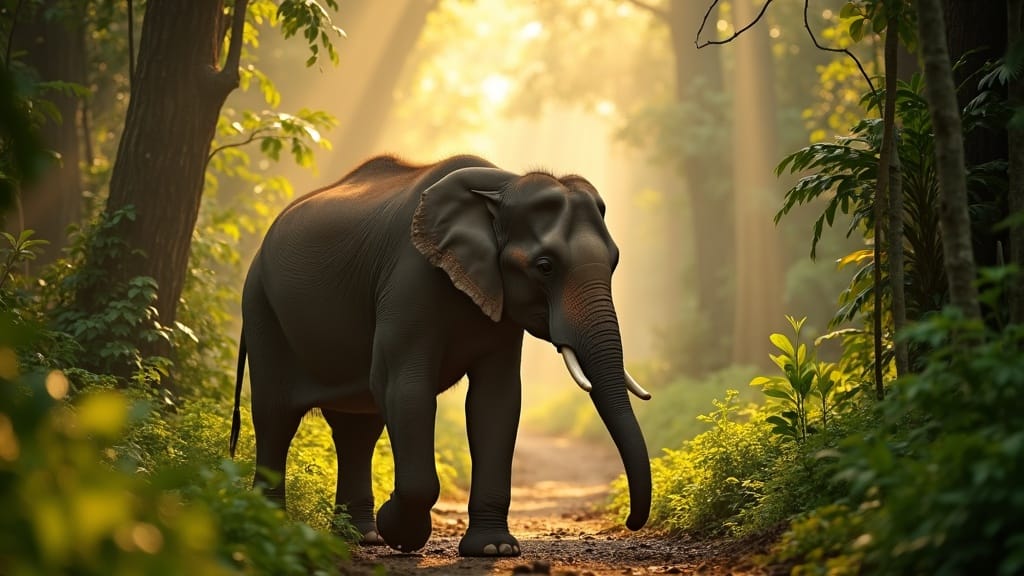
Indonesia has become the first country in the world to implement a total ban on elephant riding, setting a landmark precedent for ethical wildlife tourism that conservation groups are calling a watershed moment.
The policy applies across all provinces and covers zoos, safari parks, and tourist attractions. Violations carry the penalty of revoked operating permits. The ban took full effect in January 2026 when Bali's Mason Elephant Park — the country's last major venue offering rides — ceased operations.
The ban is the culmination of years of sustained campaigning by World Animal Protection, PETA Asia, and Indonesian animal welfare organisations, who documented the physical and psychological harm inflicted on captive elephants forced to carry tourists. Sumatran elephants, the subspecies most affected, are classified as critically endangered by the IUCN, with fewer than 2,800 remaining in the wild.
What makes Indonesia's approach stand apart is its comprehensiveness. Previous efforts in countries like Thailand and Cambodia have been piecemeal — individual venues transitioning to observation-only models while others continue to offer rides. By implementing a nationwide legislative ban with enforcement teeth, Indonesia has created a template that other countries with significant wildlife tourism industries can adopt.
The harm caused by elephant riding is well documented. The practice typically requires "breaking" young elephants through a process called phajaan — a brutal tradition involving physical restraint, isolation, sleep deprivation, and pain designed to crush the animal's spirit into compliance. Adult elephants carrying tourists suffer chronic spinal injuries, foot problems from walking on hard surfaces, and psychological distress from confinement and repetitive behaviour.
The economic transition is real but manageable. Mason Elephant Park is converting to an observation-based model, joining a growing number of facilities worldwide that have discovered ethical wildlife experiences can be just as profitable — often more so. Tour operators report that observation-based encounters now command premium pricing, particularly among younger travellers who research animal welfare practices before booking.
Wildlife tourism generates an estimated $120 billion annually worldwide. The shift toward ethical models is being driven not just by advocacy but by market forces: major booking platforms including Booking.com, Intrepid Travel, and G Adventures dropped elephant ride experiences from their offerings years ago.
Key Facts
- Indonesia is the first country to implement a total nationwide ban on elephant riding
- Mason Elephant Park, Bali, ceased ride operations on 25 January 2026
- Sumatran elephant population: fewer than 2,800 (IUCN Red List, Critically Endangered)
- Violations risk loss of operating permits
- Wildlife tourism generates an estimated $120 billion annually worldwide
Why This Matters
This ban matters beyond Indonesia's borders because it demonstrates that a comprehensive, enforceable approach to wildlife tourism reform is politically achievable. For years, the response to elephant riding has been fragmented — dependent on individual operators' goodwill or market pressure from Western booking platforms. Indonesia has shown that a national government can act decisively.
The precedent is particularly significant for Thailand, where elephant tourism is a much larger industry and reform efforts have been stalled by economic interests. If Indonesia can manage the transition without significant economic disruption, the argument against similar legislation elsewhere becomes harder to sustain.
What We Don't Know Yet
Enforcement will be the critical test. Indonesia's archipelago geography and decentralised governance structure make monitoring challenging, and there is a risk that the ban could be unevenly applied across the country's 17,000 islands.
The ban covers riding specifically but does not address all forms of captive elephant use. Performances, bathing experiences, and close-contact photo opportunities continue in some venues, and welfare groups argue these practices also cause harm.
The economic impact on mahout communities — the traditional elephant handlers whose livelihoods depend on tourism operations — needs careful managed transition. Without retraining programmes and alternative income support, there is a risk that some elephants could be abandoned or sold to operations in other countries.
Other major wildlife tourism countries — notably Thailand, India, and Nepal — have not followed suit, and there is no indication that similar legislation is imminent elsewhere.
Sources: World Animal Protection · The Hill
Published 21 February 2026 · Category: Community & Society