India Overtakes US in New Solar Capacity, Marking Historic Clean Energy Shift
India has installed more new solar capacity than the US for the first time, marking a historic shift in the global clean energy transition and challenging fossil fuel dependency narratives.
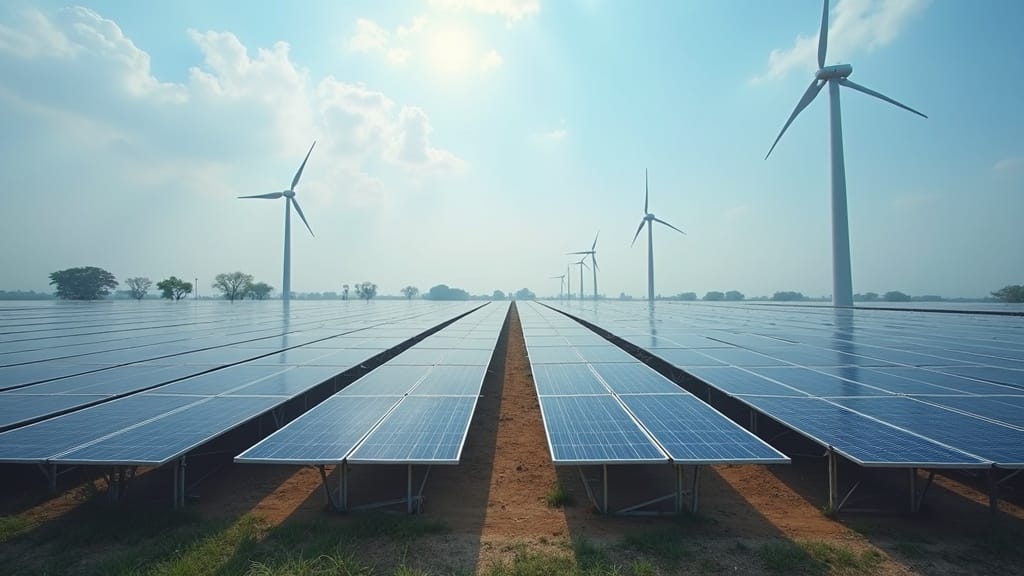
Developing nation leads global renewable transition, challenging fossil fuel dependency narrative
India has achieved a historic milestone in the global clean energy transition, installing more new solar capacity than the United States for the first time. According to Ember Energy's Global Electricity Review 2026, India's rapid expansion of solar infrastructure has not only surpassed American deployment but is reshaping how the world thinks about economic development and energy independence.
This isn't just a statistical footnote — it's a fundamental shift in the geography of renewable energy. For decades, the narrative around climate action has positioned wealthy Western nations as the leaders while suggesting that developing countries must choose between economic growth and environmental responsibility. India's achievement demolishes that false dichotomy.
The country's solar manufacturing capabilities have grown alongside its deployment, creating a domestic industry that supports both energy security and economic development. From massive solar parks in Rajasthan to rooftop installations in urban centres, India has built a diverse solar ecosystem that other emerging economies are already studying closely.
Key Facts
- India installed more new solar capacity than the United States in the reporting period (Ember Energy Global Electricity Review 2026)
- India is the world's most populous nation with over 1.4 billion people
- Solar energy is now the cheapest source of new electricity generation in most major markets
- India's National Solar Mission initially targeted 20 GW by 2022; the country has dramatically exceeded early goals
Why This Matters
India's energy demand is projected to grow faster than any other major economy over the next decade, driven by urbanisation, industrialisation, and rising living standards. Historically, this would have meant massive coal expansion. Instead, India has bet on solar — and it's paying off.
The shift began with the National Solar Mission launched in 2010, but acceleration in recent years has been driven by plummeting solar costs, domestic manufacturing incentives, and growing awareness of air pollution's health impacts. International climate finance and technology partnerships have also played supporting roles.
What We Don't Know Yet
- Installation capacity doesn't equal generation capacity — solar intermittency means actual output varies
- India's coal use continues to grow in absolute terms even as solar expands
- Manufacturing capacity still relies partly on imported components and raw materials
- Grid infrastructure in some regions struggles to absorb variable renewable generation
- The US still leads in total installed solar capacity and renewable energy investment overall
Sources: Ember Energy's Global Electricity Review 2026 (ember-energy.org)