The Quiet Generosity Revolution in India
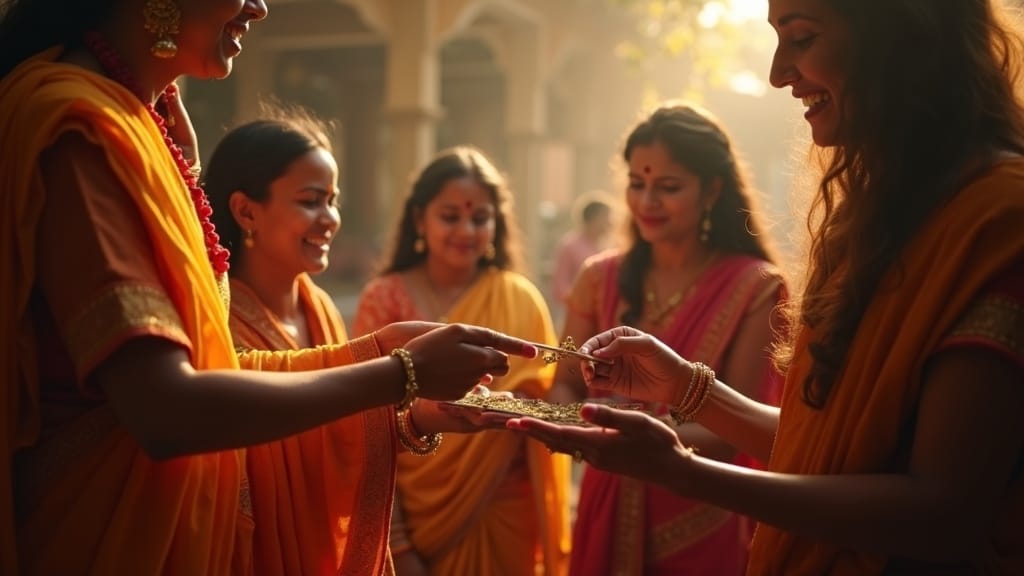
While international attention focuses on billionaire philanthropy, a quiet generosity revolution is reshaping India's charitable landscape. New research reveals that ordinary Indian households contribute 540 billion rupees ($6 billion) annually through direct giving, volunteering, and in-kind donations — creating a massive grassroots funding ecosystem that rivals corporate charity programs.
The study challenges common assumptions about philanthropy in developing countries. Rather than charity being concentrated among the wealthy, about 68% of Indian households report giving in some form, with participation spanning all income levels. Religious duty drives much of this giving, but secular causes including education, healthcare, and disaster relief also receive significant support.
This household-driven charity network operates largely outside formal tracking systems, making it invisible to policymakers and international observers focused on high-profile donations. Yet it represents a sophisticated indigenous approach to addressing social challenges, often reaching communities that formal aid programs struggle to serve effectively.
The findings have implications beyond India. They suggest that grassroots giving networks may be more widespread and significant in developing countries than previously recognised, offering insights for understanding global philanthropy patterns and designing more effective social programs.
Key Facts
- Indian households contribute 540 billion rupees ($6 billion) annually to charity
- 68% of respondents report giving in some form (money, time, or goods)
- Participation spans all income levels, not concentrated among wealthy
- Religious duty primary motivation, but secular causes also significant
- Includes direct giving, volunteering, and in-kind donations
Why This Matters
India's philanthropy discourse has long focused on ultra-wealthy donors like Azim Premji and Ratan Tata, whose high-profile gifts dominate headlines. This corporate and elite giving, while important, represents only part of India's charitable ecosystem.
The household giving revealed in this research connects to deep cultural traditions of dana (charitable giving) and seva (service) that predate modern philanthropy concepts. These practices are embedded in daily life through religious observance, community obligations, and family traditions.
What We Don't Know Yet
The research relies on self-reported giving, which may overestimate actual donations due to social desirability bias. Additionally, the study doesn't track effectiveness or impact of household giving compared to more structured charitable programs.
The religious motivation behind much giving also raises questions about inclusivity — whether all community members benefit equally from faith-based charity networks. Some household giving may reinforce existing social hierarchies rather than addressing systemic inequalities.
Sources: BBC · Business Standard
Published February 26, 2026 · Category: Philanthropy & Economics