Green Sea Turtles Officially No Longer Endangered
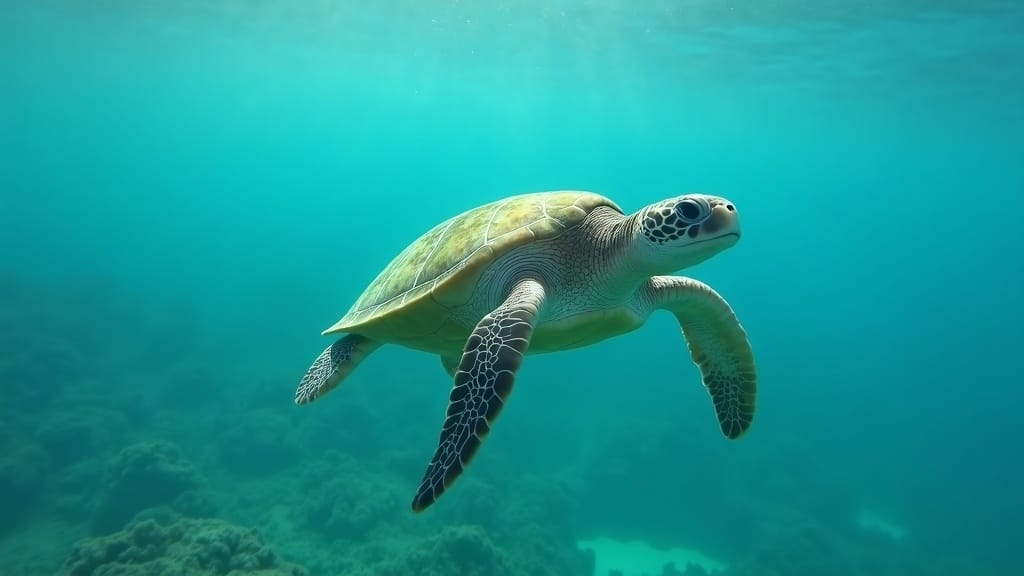
One of the ocean's most beloved creatures has swum back from the brink of extinction. The International Union for Conservation of Nature (IUCN) has officially downlisted green sea turtles from "endangered" to "least concern" status, following a remarkable 28% population increase compared to crisis levels in the 1970s and 1980s.
This conservation victory represents decades of coordinated international effort spanning multiple continents and generations of marine biologists, local communities, and government officials. From protecting nesting beaches in Costa Rica to reducing plastic pollution in the Pacific, the green sea turtle recovery demonstrates what's possible when conservation efforts operate at the scale that marine species require.
The success story began with recognising that sea turtles face threats throughout their lifecycle and across vast ocean ranges. Eggs needed protection on nesting beaches, juveniles required safe foraging areas, and adults needed fishing practices that reduced accidental capture. This multi-faceted approach required unprecedented cooperation between nations, as sea turtles migrate across multiple countries' waters during their lifetimes.
Key interventions included establishing marine protected areas, implementing turtle-excluder devices in fishing nets, reducing coastal lighting that confuses hatchlings, and engaging local communities as conservation partners rather than enforcement targets. The recovery also benefited from broader ocean health improvements, including reduced plastic pollution and climate awareness that protects nesting beach habitats.
This milestone provides a conservation blueprint for other marine species facing similar threats. The coordinated, long-term approach that saved green sea turtles could be applied to other ocean migrants, from sharks to seabirds, that require international cooperation for effective protection.
Key Facts & Figures
- Population increase: 28% above 1970s-80s levels
- IUCN status change: "Endangered" to "Least Concern"
- Conservation timeline: Multi-decade international effort
- Key interventions: Beach protection, fishing gear modification, plastic reduction
- Geographic scope: Global conservation coordination required
Context & Background
Green sea turtles faced multiple simultaneous threats that pushed them toward extinction by the 1980s. Coastal development destroyed nesting beaches, fishing operations accidentally captured turtles in nets, plastic pollution created feeding hazards, and climate change threatened to alter ocean temperatures that determine hatchling sex ratios.
The species' recovery required addressing all these threats simultaneously across the turtle's entire range, which spans tropical and subtropical oceans globally. This meant convincing dozens of countries to modify fishing practices, protect coastlines, and enforce anti-poaching measures—a coordination challenge that many thought impossible in the 1980s.
Limitations & Caveats
Climate change continues to threaten sea turtle populations through rising sea levels that could flood nesting beaches and changing ocean temperatures that affect food sources and hatchling development. Plastic pollution, while reduced, remains a significant threat to marine species globally.
The "least concern" status doesn't mean conservation efforts can relax—maintaining healthy populations requires continued protection measures. Some regional populations may still face localised threats even as the global status improves. Ocean acidification and other emerging climate impacts could create new challenges for marine species recovery.
Sources
- IUCN marine species specialists — official status change details
- Local conservationists from major nesting sites — ground-level conservation stories
- Marine biologists studying sea turtle recovery — scientific monitoring methods