New South Wales put 178,000 hectares into a koala park that is not open yet
NSW passed a law adding 178,000 hectares to a Great Koala National Park. An estimated 12,000 koalas live there. The park is not open yet.
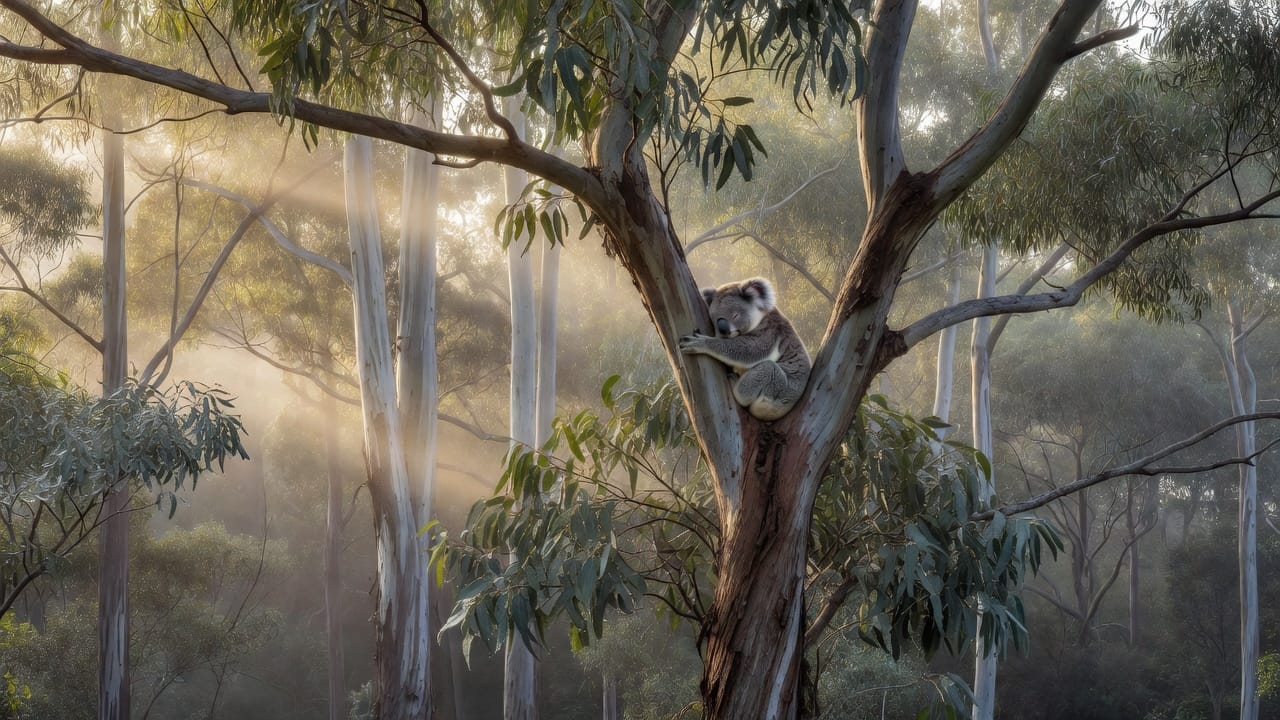
The bill has a long name. The National Park Estate (Great Koala National Park Reservations) Bill 2026. It passed the New South Wales Parliament on 22 October. The government confirmed it the next day.
The new piece is more than 178,000 hectares of state forest and other Crown land on the Mid North Coast. Added to parks already there, the protected area comes to more than 475,000 hectares. The government estimates 12,000 koalas live in the added forest, plus about 36,000 gliders and more than 100 other threatened species.
Most of the new land, about 123,559 hectares, becomes national park. About 13 percent becomes regional park, where recreation stays. Two small Aboriginal areas are in the mix.
Key Facts
- Passed NSW Parliament on 22 October 2026. Ministerial release 23 October.
- 178,000 hectares added. Combined estate more than 475,000 hectares.
- Estimated 12,000 koalas, 36,000 gliders, more than 100 threatened species.
- About 69 percent national park, 13 percent regional park.
- Carbon credits from the associated project cannot be sold to coal and gas projects.
Why This Matters
Koala habitat on the Mid North Coast has been logged as state forest. Moving it into the national park estate is the strongest land tenure the state has. The Clean Energy Regulator registered a carbon project on the forest under the Improved Native Forest Management method. Credits from that project cannot go to coal and gas. That is a specific choice, not a slogan.
Penny Sharpe, the environment minister, called it the end of a decade of campaigning. The park is expected to commence before the end of 2026. It has not commenced.
What We Don't Know Yet
The commencement date inside 2026 is not set. How the logging transition is paid for is still contested. Regional park is a weaker protection than national park, and 13 percent of the addition sits there. The koala estimate is the government's, not a new census published this week. A statute is not a ranger.
Sources: NSW Government · NSW Environment and Heritage