Global Rewilding Movement Celebrates Major Successes
The Global Rewilding Alliance documents major conservation successes including the Saiga antelope rebound from near-extinction to over 4 million animals in Kazakhstan.
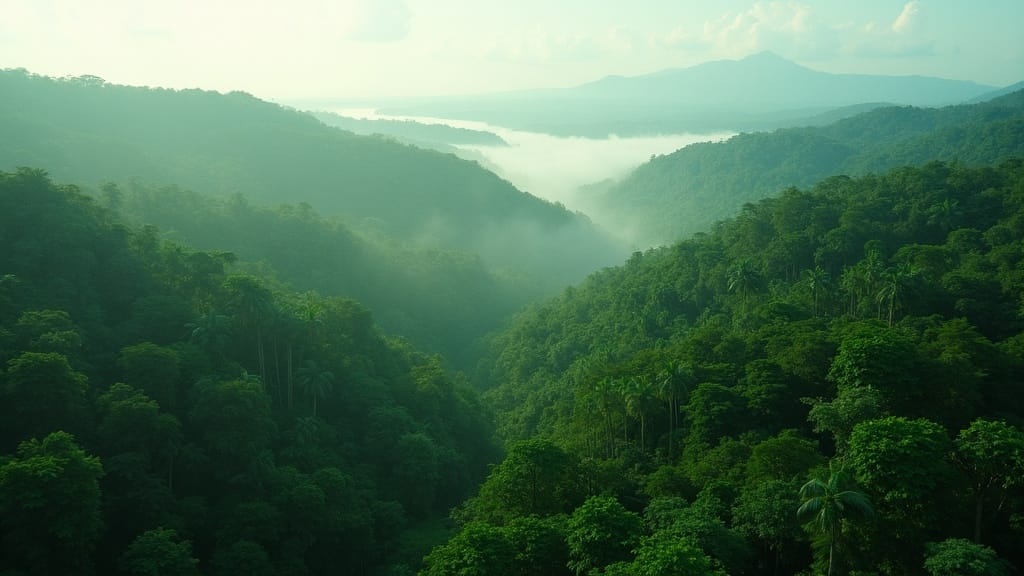
The Global Rewilding Alliance has documented numerous conservation successes, including the dramatic rebound of the Saiga Antelope in Kazakhstan from fewer than 50,000 to over four million animals. European rewilding efforts have led to the return of wolves, bison, and lynx to landscapes where they had disappeared. Lake Kartal in Ukraine is nearing full restoration after rewilding efforts.
These successes prove that ecosystems can recover when given the chance. The rewilding movement offers a positive, solutions-focused approach to biodiversity conservation—working with natural processes rather than trying to micromanage ecosystems.
The Saiga recovery is particularly remarkable given that the species faced extinction just two decades ago. The population growth demonstrates how quickly wildlife can rebound when hunting is controlled and habitat protected.
Key Facts
- Saiga Antelope: recovered from <50,000 to >4 million in Kazakhstan
- European rewilding: wolves, bison, and lynx returning
- Lake Kartal (Ukraine): nearing full restoration
- Source: Global Rewilding Alliance, Rewilding Europe
Why This Matters
Rewilding emerged as a conservation philosophy in the 1990s, emphasizing ecosystem function over specific species preservation. The approach allows natural processes—predation, migration, succession—to shape landscapes with minimal human intervention. This contrasts with traditional conservation's focus on protecting specific species in managed reserves.
The recent successes demonstrate that rewilding can work at scale, not just in isolated experiments. The European experience is particularly notable given the continent's dense human population and long history of intensive land use.
What We Don't Know Yet
Rewilding success stories can obscure ongoing biodiversity declines globally. The Saiga recovery remains fragile—mass die-offs from disease have occurred before. Large predator returns create conflicts with human activities including livestock farming. Rewilding requires large contiguous land areas that are increasingly scarce. Climate change may shift suitable habitats faster than species can migrate.
Category: Environment & Climate
Published: April 22, 2026