Global Rewilding Efforts Show Rapid Ecosystem Recovery
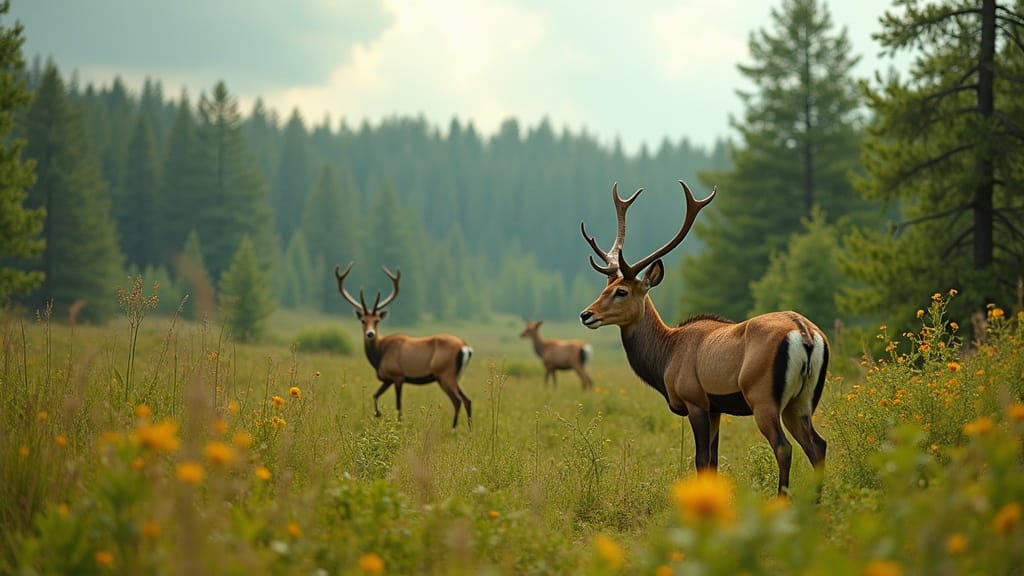
Nature is remarkably resilient when given half a chance. A series of recent reports highlights the accelerating success of the global rewilding movement, demonstrating that ecological restoration can happen faster than previously thought. The goal of rewilding is to restore natural processes and core species, allowing ecosystems to self-regulate.
The successes are geographically diverse. In Kazakhstan, the once-critically endangered Saiga antelope population has rebounded significantly. Across Europe, the reintroduction of keystone species is helping to restore degraded landscapes. Perhaps most encouragingly, targeted recovery efforts in the Amazon indicate that damaged ecosystems can re-establish complex food webs quicker than anticipated. These success stories underscore a shift in conservation strategy: moving beyond simply protecting what's left, to actively restoring what has been damaged and then stepping back to let nature take the wheel.
Key Facts
- The Saiga antelope in Kazakhstan has seen population rebounds following major die-offs.
- Ecosystem recovery in certain Amazonian areas is occurring faster than predicted models.
- European rewilding projects are successfully re-establishing keystone species.
Why This Matters
The planet is facing a biodiversity crisis, with extinction rates accelerating. Traditional conservation often focused on fenced reserves. Rewilding represents a more dynamic approach, aiming to restore entire interacting ecosystems and create resilient, self-sustaining environments that can better withstand climate change.
What We Don't Know Yet
Rewilding is complex. Reintroducing species, particularly apex predators or large herbivores, can cause conflicts with local human populations and agriculture. Careful planning and community engagement are essential for these projects to succeed long-term.
Published May 5, 2026 · Category: Environment & Climate