Global Renewable Energy Crosses Historic 50% Threshold
Renewable energy reaches historic 50% of global electricity capacity as solar and wind dominate new power installations worldwide in 2025.
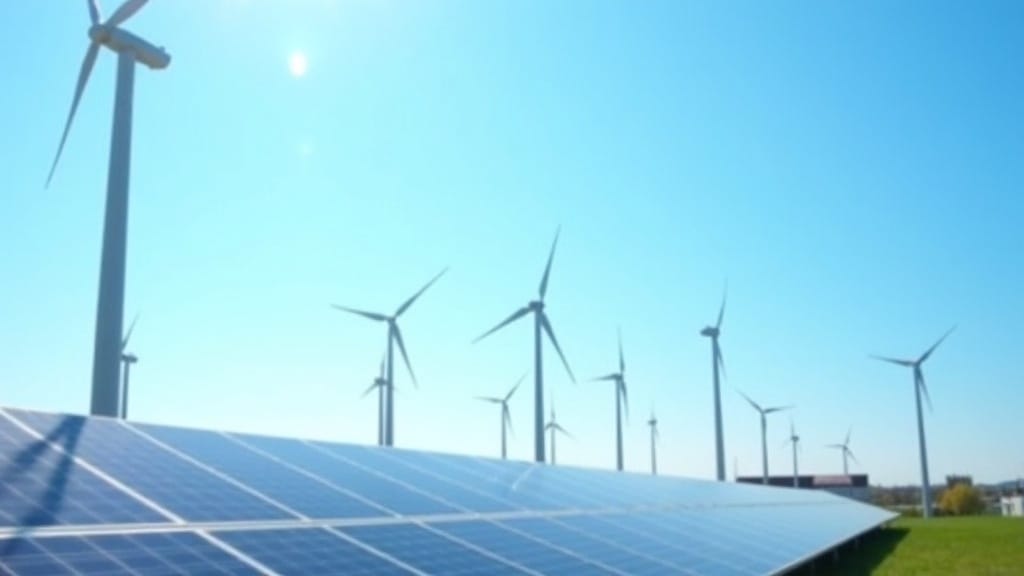
The world has reached a historic energy milestone: renewable power now comprises almost 50% of global electricity capacity, marking the moment when clean energy became the dominant force in our planet's power infrastructure. According to exclusive data from the International Renewable Energy Agency shared with Reuters, global renewable capacity now exceeds 5.1 terawatts following a record year of expansion.
This achievement represents more than statistics — it's proof that the global energy transition has moved from aspiration to unstoppable reality. In 2025 alone, 86% of all new electricity generation capacity was renewable, overwhelmingly led by solar installations that continue to break cost and deployment records worldwide.
Key Facts
- 49.9% of global electricity capacity now renewable (5.1+ terawatts)
- 86% of new 2025 capacity additions were renewable energy
- Solar led expansion with record installations globally
- Renewable capacity has increased from <30% to nearly 50% in one decade
- Cost competitiveness now drives adoption alongside environmental concerns
Why This Matters
This milestone comes as the world races to limit global warming to 1.5°C above pre-industrial levels. The transformation has been driven by dramatic cost reductions: solar costs have fallen by 80% since 2010, while wind costs dropped 70%. These economics, combined with technological improvements in energy storage and grid management, have made renewables not just environmentally preferable but economically superior in most markets.
What We Don't Know Yet
Capacity doesn't equal generation — many renewable resources are intermittent, meaning actual clean electricity production remains lower than 50% globally. Grid infrastructure in many regions still needs massive upgrades to handle variable renewable deployment. Storage technologies, while improving rapidly, remain expensive for long-duration applications.
Published April 03, 2026 · Category: Environment & Climate