Global EV Sales Hit 4 Million in Q1 2026
Electric vehicle sales hit 4 million globally in Q1 2026 as Norway, California, and other markets pass tipping points where EVs dominate new car sales.
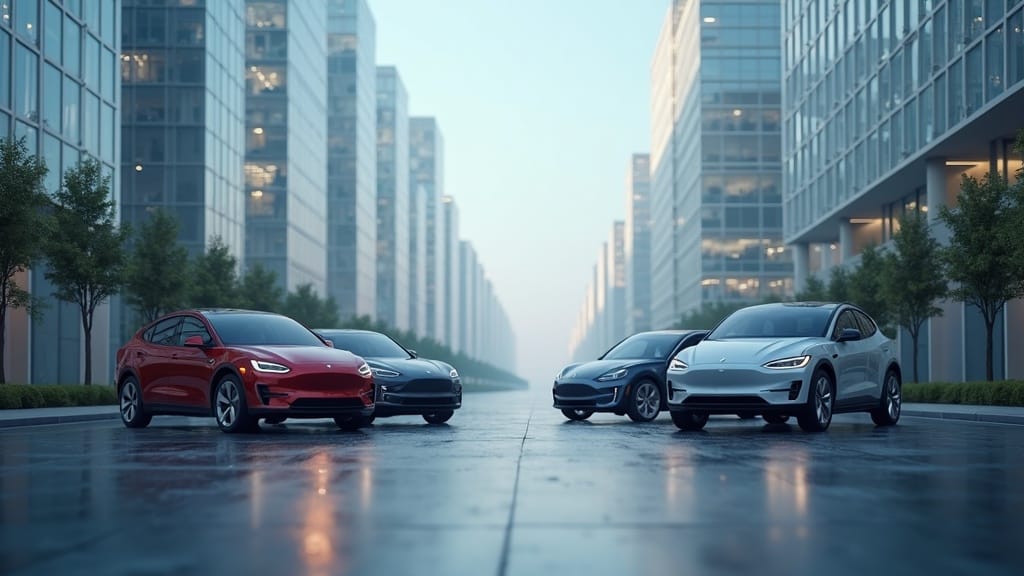
Electric vehicle sales reached a remarkable milestone in the first quarter of 2026, with 4 million units sold worldwide. Norway, Denmark, California, and several European countries have passed tipping points where EVs are becoming the dominant choice for new car buyers.
The 4 million quarterly figure represents continued acceleration in the transition away from fossil fuel vehicles. Transportation is a major source of greenhouse gas emissions, and the rapid adoption of EVs shows that the shift to clean mobility is happening faster than many predicted.
Market dynamics are shifting as EVs move from early adopter novelty to mainstream choice. Price parity with conventional vehicles is approaching in multiple segments, and charging infrastructure is scaling to meet growing demand.
Key Facts
- 4 million EVs sold globally in Q1 2026
- Norway, Denmark, California passed EV tipping points
- EVs becoming dominant choice in multiple markets
- Source: Tesevo analysis, The Guardian reporting
Why This Matters
EV adoption has followed an S-curve typical of technology transitions—slow initial growth followed by rapid acceleration as costs fall and infrastructure develops. The Q1 2026 numbers suggest the global market is entering the steep part of that curve.
The geographic concentration in wealthy markets reflects remaining barriers including upfront costs and charging access. However, as these early markets demonstrate viability, the model spreads to broader populations.
What We Don't Know Yet
4 million quarterly sales represents a fraction of total global vehicle sales—internal combustion engines still dominate. EV manufacturing has its own environmental impacts, including battery mining and production emissions. Grid electricity powering EVs varies in cleanliness by region. The transition creates disruption in automotive supply chains and employment. Charging infrastructure remains inadequate in many areas.
Category: Science & Technology
Published: April 22, 2026