Galápagos Tortoises Stage 100-Year Comeback
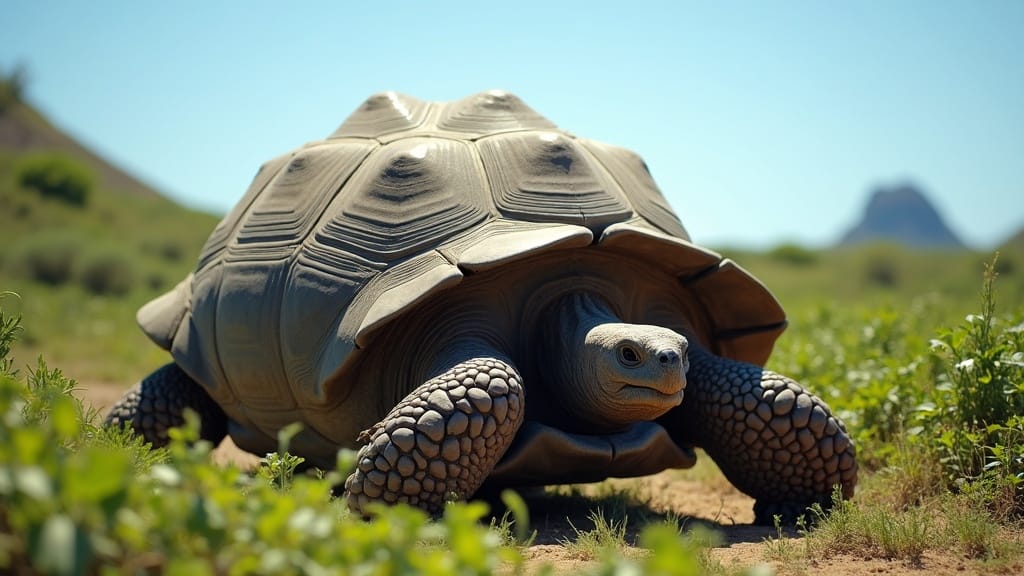
Giant tortoises have returned home to Floreana Island in the Galápagos after more than a century of absence, marking a conservation triumph that demonstrates how species can be brought back from functional extinction through patient, science-based restoration efforts.
The Floreana Ecological Restoration Project successfully reintroduced 158 giant tortoises to their ancestral habitat, where they immediately began their crucial role as ecosystem engineers. These gentle giants distribute seeds as they roam, create wallows that become water sources for other animals, and clear vegetation paths that smaller species use as highways through the landscape.
The project represents far more than species recovery — it's rebuilding an entire ecosystem from the ground up. Floreana lost its tortoises to 19th-century hunting and habitat destruction, setting off a cascade of ecological changes that affected everything from native plants to seabird nesting sites. The tortoises' return begins reversing this damage, with scientists already observing improved vegetation patterns and wildlife activity.
This success story offers hope for conservation efforts worldwide, proving that even seemingly impossible restoration goals can be achieved through long-term collaboration between scientists, local communities, and conservation organisations. The techniques developed here could be applied to other degraded island ecosystems facing similar challenges.
Key Facts
- 158 giant tortoises successfully reintroduced to Floreana Island
- Species absent from the island for over 100 years
- Tortoises serve as ecosystem engineers, distributing seeds and creating habitats
- Part of comprehensive ecological restoration including invasive species removal
- Collaboration between Galápagos National Park, conservation groups, and local communities
Why This Matters
The Galápagos Islands face immense conservation pressure as climate change, tourism, and invasive species threaten their unique ecosystems. Giant tortoises, which can live over 150 years and grow to 500 pounds, were nearly extinct across the archipelago by the mid-20th century due to hunting for food and oil.
Floreana Island's restoration began decades ago with the painstaking removal of invasive plants and feral animals that had taken over after the tortoises disappeared. Only after years of habitat preparation could scientists safely reintroduce the ecosystem's keystone species.
What We Don't Know Yet
The reintroduced tortoises aren't genetically identical to the original Floreana population — they're close relatives from other islands. While functionally similar, this represents a compromise rather than true species restoration.
Long-term success also depends on continued invasive species control and sustainable tourism management. Climate change poses ongoing threats through rising sea levels and changing precipitation patterns. The tortoises may help ecosystem resilience, but they cannot solve all environmental pressures facing the islands.
Sources: Galápagos Conservancy · Galápagos National Park
Published February 26, 2026 · Category: Environment & Climate