FDA Approves First Treatment for Common Kidney Disease
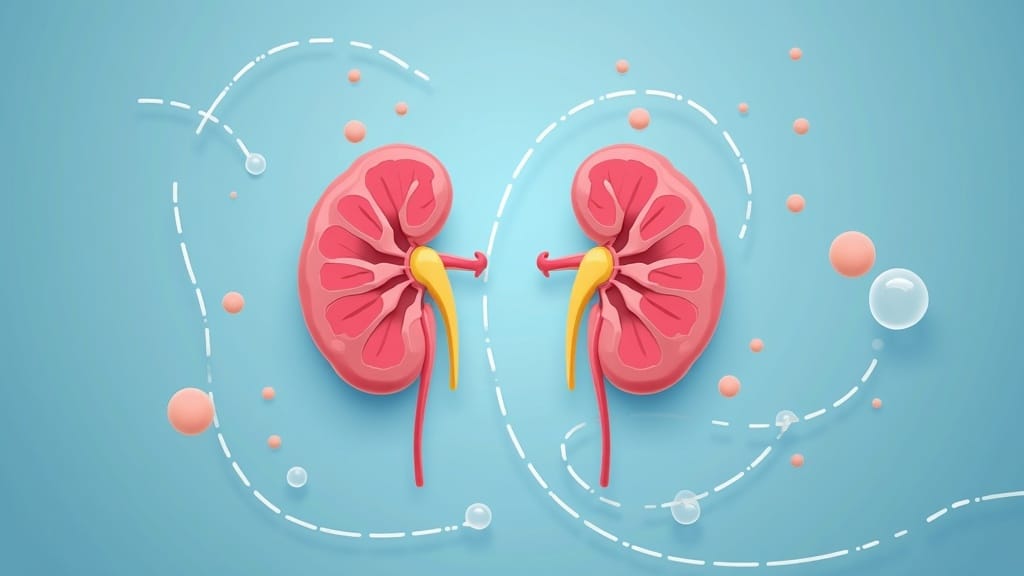
FDA Approves First Treatment for Common Kidney Disease
Breakthrough Therapy Could Help Millions at Risk of Kidney Failure
The FDA has granted accelerated approval to Voyxact (sibeprenlimab-szsi), the first treatment specifically designed for IgA nephropathy, the most common form of kidney disease worldwide. The breakthrough offers new hope for patients facing a condition that too often progresses to kidney failure.
IgA nephropathy affects the kidney's filtering units, causing protein to leak into urine—a sign of progressive damage. Without intervention, many patients eventually require dialysis or kidney transplant. Voyxact targets this protein leakage directly, addressing what doctors call proteinuria before irreversible scarring occurs.
The approval stems from the Phase III VISIONARY trial, which demonstrated significant improvements in kidney function markers. For patients who have watched their lab results steadily worsen despite existing treatments, the drug represents the first therapy specifically designed for their condition rather than repurposed from other diseases.
The accelerated approval pathway reflects the urgent need for IgA nephropathy treatments. While final approval will depend on longer-term studies proving the drug actually prevents kidney failure, early evidence suggests it could slow or halt disease progression in many patients.
Key Facts
- First FDA-approved treatment specifically for IgA nephropathy
- IgA nephropathy is most common kidney disease form globally
- Significant proteinuria reduction shown in Phase III VISIONARY trial
- Accelerated approval based on biomarker improvements
- Could prevent progression to kidney failure in at-risk patients
Why This Matters
This development represents a significant advancement in health & medicine, potentially improving outcomes for millions of patients worldwide.
What We Don't Know Yet
While results are promising, long-term safety data and real-world effectiveness still need validation through larger studies and continued monitoring.
Published March 08, 2026 · Category: Health & Medicine