How Exercise Strengthens Bones: Scientists Crack the Molecular Code
The mystery of how exercise builds stronger bones has been solved — and the answer could transform treatment for 200 million people with osteoporosis.
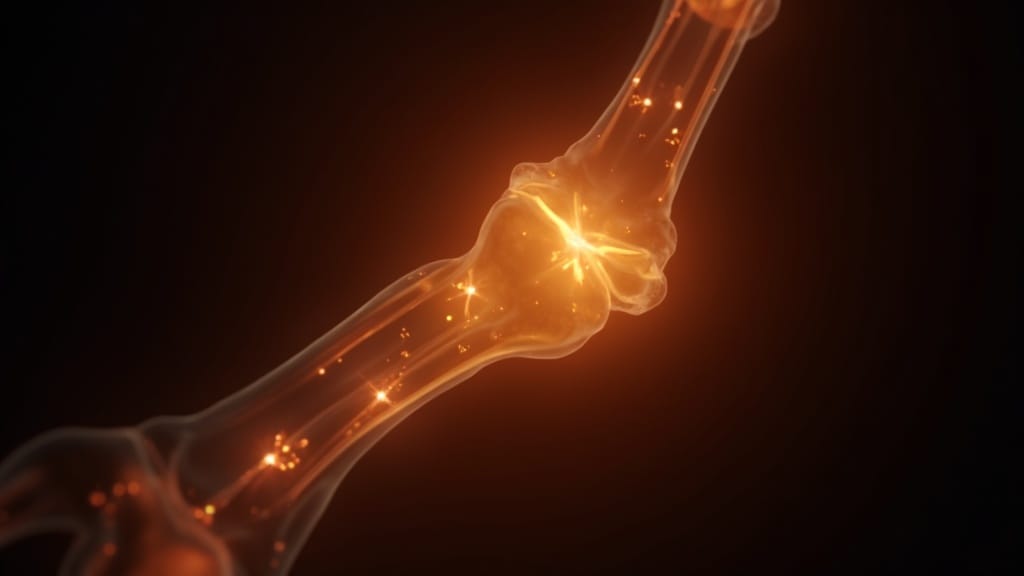
We've known for decades that exercise strengthens bones. But the molecular how — the exact mechanism by which physical force translates into stronger skeleton — remained a mystery. Until now.
Researchers at the University of Hong Kong have identified Piezo1, a mechanosensitive protein that acts as the body's "exercise sensor" for bones. When physical activity creates mechanical stress on the skeleton, Piezo1 activates in bone marrow stem cells, directing them to become bone-building cells (osteoblasts) rather than fat cells (adipocytes).
It's an elegant molecular switch that explains a puzzle that has frustrated scientists for years: why sedentary lifestyles lead to both weaker bones and increased bone marrow fat simultaneously.
"We need to understand how our bones get stronger when we move before we can find a way to replicate the benefits of exercise at the molecular level," said Xu Aimin, a biomedical scientist at the University of Hong Kong. "This study is a critical step towards that goal."
Key Facts
- Piezo1 identified as key mechanosensitive protein directing bone stem cell fate (University of Hong Kong)
- Over 200 million people worldwide are affected by osteoporosis (International Osteoporosis Foundation)
- Osteoporosis causes 8.9 million fractures annually
- The protein determines whether stem cells become bone or fat
- Published in Signal Transduction and Targeted Therapy
Why This Matters
Osteoporosis is a silent epidemic. It weakens bones until they fracture — often with devastating consequences for elderly patients. A hip fracture in someone over 75 carries a mortality rate of up to 30% within one year.
The current treatments are limited: bisphosphonates slow bone loss but don't build new bone well. Exercise is the gold standard for bone health, but many of those most at risk — the elderly, the immobilised, astronauts in zero gravity — can't exercise enough to protect their skeleton.
If Piezo1 can be activated with a drug, it could deliver the bone-building benefits of exercise to millions who can't run, lift, or jump their way to stronger bones.
What We Don't Know Yet
The mechanism was demonstrated in cell and animal models, not in human patients. A Piezo1-targeting drug has not yet been developed or tested in humans. The bone formation pathway involves many other signals; Piezo1 is important but not the sole factor.
Clinical translation could take years, and any drug targeting a fundamental mechanosensitive protein would need careful testing for unintended effects in other tissues where Piezo1 also operates.
Sources: University of Hong Kong · ScienceAlert
Published February 18, 2026 · Category: Health & Medicine