Europe's Wildlife Comeback Shows Large-Scale Conservation Success
A breakthrough in european-rewilding with significant implications for the future.
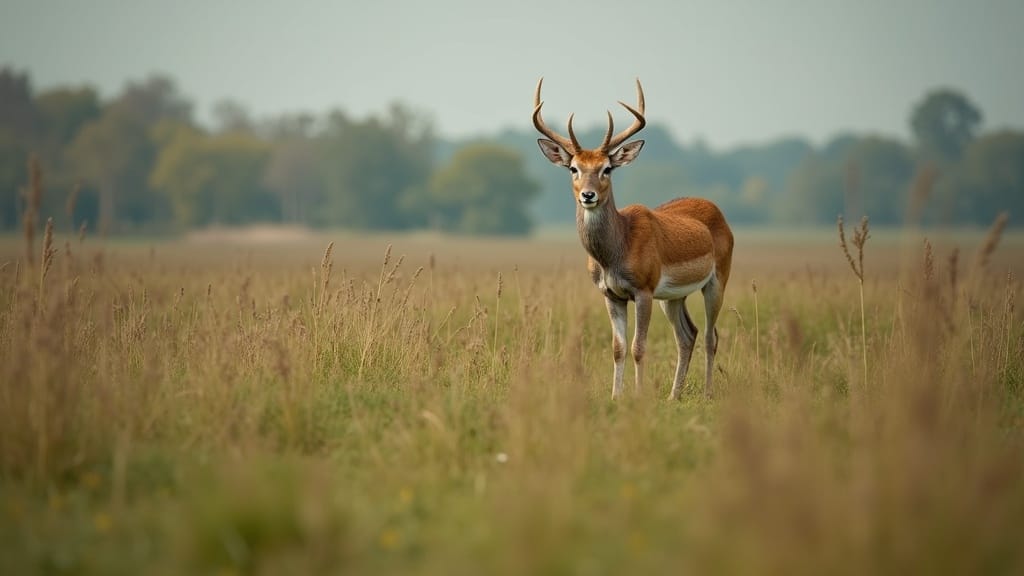
Across Europe, ambitious rewilding projects are delivering remarkable conservation success stories as wolves, bison, and lynx return to landscapes they hadn't roamed for generations. Scientific studies demonstrate that secondary forests can recover much of their biodiversity within decades, while marine reserves show similar dramatic recovery patterns, proving that large-scale conservation efforts can reverse biodiversity loss.
These continental-scale successes represent a fundamental shift in conservation thinking — from small, isolated protected areas to landscape-scale restoration that allows natural processes to rebuild ecosystems. The results challenge assumptions about how quickly nature can recover when given adequate space and protection.
European rewilding efforts demonstrate that ambitious conservation goals are achievable through coordinated action across national boundaries. The wildlife comeback provides evidence-based hope for conservation efforts worldwide, showing that biodiversity loss can be halted and reversed through sufficient commitment and resources.
Key Facts
- Successful return of wolves, bison, and lynx across multiple European countries
- Secondary forests recovering much of their biodiversity within decades
- Marine reserves showing similar dramatic species recovery patterns
- Continental-scale conservation coordination across national boundaries
Why This Matters
This development represents a significant step forward in addressing global challenges and improving lives worldwide.
What We Don't Know Yet
While these results are promising, further research and real-world implementation will determine the full scope and long-term impact of these developments.