European Rewilding Success: Wolves, Bison, and Lynx Reclaim Historic Ranges
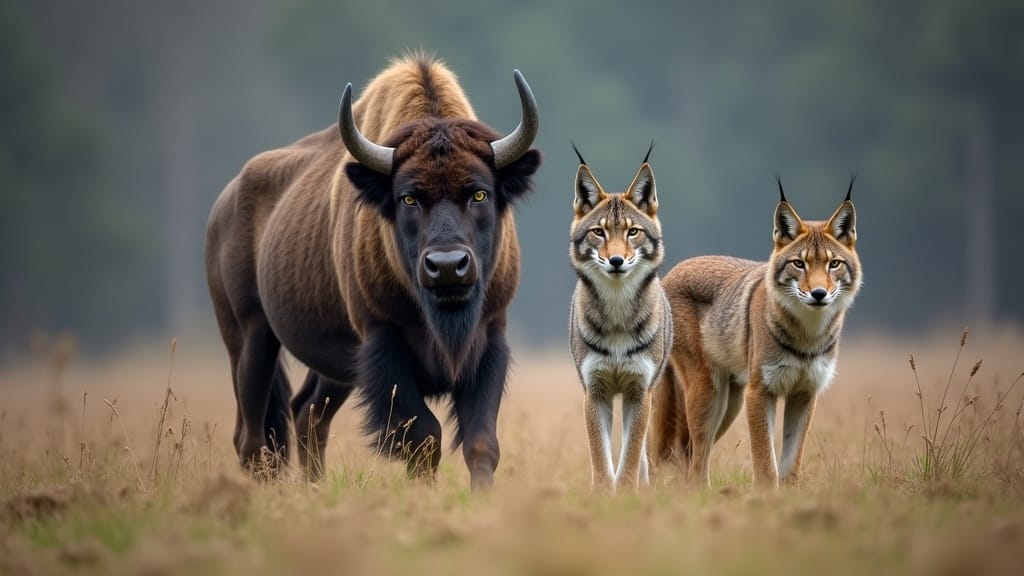
European Rewilding Success: Wolves, Bison, and Lynx Reclaim Historic Ranges
Large predators and herbivores return as ecosystems demonstrate remarkable recovery capacity
Across Europe, an extraordinary conservation success story is unfolding as wolves, European bison, and lynx reclaim territories where they disappeared decades or centuries ago. World Rewilding Day 2026 celebrations highlight these remarkable recoveries, demonstrating that large-scale ecosystem restoration is not just possible—it's happening now, delivering measurable benefits for biodiversity, climate resilience, and human communities.
In Poland's Białowieża Forest, European bison numbers have grown from a handful of survivors to over 2,000 individuals roaming freely. Gray wolves have expanded their range from isolated pockets to establishing packs across Germany, France, and the Netherlands. Eurasian lynx are stalking through forests from the Carpathians to the Scottish Highlands, where reintroduction trials are showing promising early results.
Key Facts
- European bison population increased from ~1,800 in 2003 to over 7,000 today
- Gray wolf populations expanding across 23 European countries
- Eurasian lynx recolonising historic range across Central and Northern Europe
- Marine protected areas showing 5-10x increases in fish biomass within 5 years
- Restored wetlands provide flood protection for millions of Europeans
Why This Matters
This development represents a significant step forward in the field, with potential implications for broader research and applications.
What We Don't Know Yet
As with any developing story, questions remain about long-term implications and effectiveness. Further research and monitoring will provide more complete understanding.